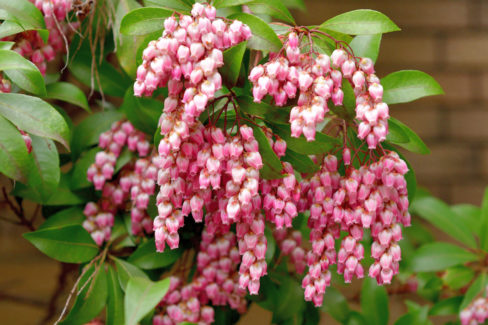
Let’s be honest: some plants are so gorgeous you just can’t have enough of them. With its stunning, shimmering reddish leaves, the Lily of the Valley Shrub (Pieris japonica) is definitely one of those “must-haves.” But instead of running back to the nursery, why not try propagating it yourself? It’s easier than you think! Follow this guide, and you’ll have a garden full of them in no time.
Different Propagation Methods
Propagating your Lily of the Valley Shrub is a breeze. You actually have two great options to choose from depending on what works best for you.
Propagating with Cuttings
Since you’ll likely be pruning your shrub anyway, it’s the perfect excuse to use those trimmings for cuttings. The best time to do this is in the summer, right after the plant has finished blooming.
- Avoid using brand-new, soft green growth.
- Look for semi-hardwood stems that have already started to turn brown and woody.
Pro Tip: You can snip the stems with garden shears, but some gardeners swear by simply snapping them off by hand. This slightly rougher break can actually help stimulate root growth!
Once you’ve got your cuttings, it’s time to get them rooting. Here’s the game plan:
- Strip the leaves off the bottom half of the stem.
- Leave about 3 to 4 leaves at the very top.
- Poke the stem about halfway into a pot filled with seed-starting mix.
- Keep the soil consistently moist (but not soggy!).
- Once you see new green growth popping up, you may need to move them to larger pots.
- After about 8 to 12 weeks, once the shoots look strong and sturdy, they’re ready to head out into the garden.
Pro Tip: Even though these shrubs are cold-hardy, give your “babies” a little extra protection from frost during their first winter.
Propagating with Layering
If you prefer a more “hands-off” approach, layering is a fantastic method. Here’s how to do it:
- Pick a mild day in February or March to get started.
- Dig a small trench (about 4 to 8 inches deep) right next to the mother plant.
- Choose a flexible one- or two-year-old branch and gently bend it down to the ground.
- Lay the middle of the branch into the trench and cover it with soil.
- Make sure about 12 inches of the branch tip is still poking out of the ground.
- Use a piece of landscape wire or a heavy stone to keep the branch tucked firmly in the soil.
- Keep the area moist.
- By autumn, the branch should have its own roots. Snip the connection to the mother plant.
- Dig up your new “daughter” plant and move it to its permanent home!
Pro Tip: Safety first! Whether you’re taking cuttings or layering, always wear gardening gloves. The Lily of the Valley Shrub is beautiful, but it’s also highly toxic.