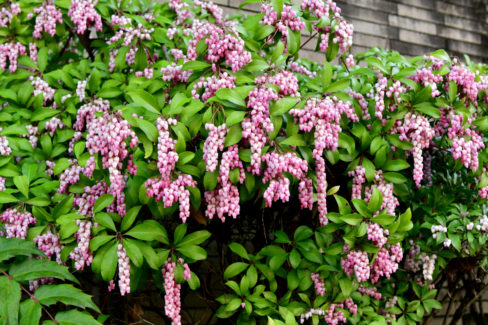
Unfortunately, even the beautiful Lily of the Valley Shrub (Pieris japonica) isn’t invincible. There are a few common issues that tend to pop up with these plants, and catching them early is the secret to a successful recovery. Let’s dive into what you should be looking for to keep your garden looking its best.
Common Issues with Your Lily of the Valley Shrub
Below, you’ll find the most frequent culprits that affect these ornamental favorites. Keep in mind, this isn’t an exhaustive list! If your plant is looking a little sad, the first thing you should always check is whether it’s getting the right care or if it’s just unhappy with its current spot in the yard.
The Andromeda Lace Bug
While these shrubs generally prefer partial shade anyway, this pest is another great reason to keep them out of the direct sun. Dry, hot weather is like an invitation for the Lace Bug. Around August, they lay their eggs on the plant, and the larvae start sucking the life out of the leaves. Keep an eye out for:
- Yellowing leaves
- Premature leaf drop
- Tiny bugs (about 3 to 4 mm) hanging out on the plant
- Eggs tucked onto the undersides of leaves
- Small, shiny black spots (that’s the bug droppings!)
Pro Tip: You can tackle these pests naturally using a fermented plant tea or organic insecticidal soap.
Root Rot
Technically, root rot isn’t a “disease” so much as a result of a common gardening mishap. If the soil is too dense or you’re overwatering, the roots end up sitting in stagnant water and literally suffocate. Once the roots are compromised, it’s often too late to save the plant. Prevention is definitely the best medicine here:
- Water regularly, but don’t drown them.
- Aim for smaller amounts of water more frequently.
- Make sure your soil has plenty of drainage (mix in some grit or organic matter).
Wilt Fungus
Wilt fungus can look a lot like root rot at first glance. The leaves turn yellow and start to dry out. If you see this happening, prune away any dead branches immediately. To help your plant fight back, you’ll want to tighten up your maintenance routine:
- Ensure the plant is in its ideal location (partial shade).
- For potted shrubs, use a liquid fertilizer or plant tea once a month.
- For plants in the ground, give them a good feeding in the spring.
- Always sterilize your pruning shears before you start cutting.
- Make sure your tools are sharp to avoid ragged wounds that invite infection.