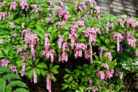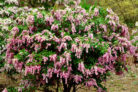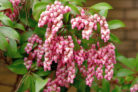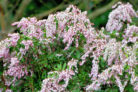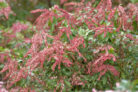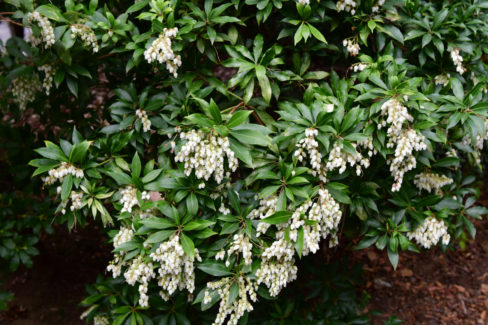
With its stunning red blooms and lush green foliage, the Lily of the Valley Shrub (also known as Pieris japonica) is a real showstopper. But if you want it to truly thrive, you’ve got to get the location just right. In this post, I’ll walk you through exactly where to plant your Pieris so it stays happy and healthy.
Finding the Perfect Spot
The Lily of the Valley Shrub is a dream for those tricky, shady garden corners where most flowering plants struggle. It’s happiest in partial shade, though it can handle full shade just fine. On the flip side, full sun is a bit of a dealbreaker—it dries out the plant way too fast. And it’s not just the summer heat you have to worry about; people often underestimate how intense the winter sun can be. A south-facing patio in the dead of winter can actually be pretty tough on these guys. You’ll also want to pick a spot that’s tucked away from harsh winds.
Pro Tip: If you absolutely have to plant it in a sunnier spot, make sure to add a thick layer of mulch to help the soil retain moisture.
Soil Requirements
Beyond just lighting and temperature, the soil is the foundation of a healthy plant. Here’s what your Pieris is looking for in a substrate:
- Well-draining
- Rich in organic matter (humus)
- Slightly acidic pH
- Consistently moist
- Low lime content
Pro Tip: The soil needs for Pieris are almost identical to Rhododendrons, ferns, or Hostas. Planting them together doesn’t just look gorgeous—it also makes your life easier when it comes to watering and fertilizing!
Tailoring the Location to Your Goals
Did you know that where you plant your Lily of the Valley Shrub actually changes how it grows? In brighter spots, the plant puts all its energy into producing those iconic flowers. In deeper shade, you’ll get fewer blooms, but the foliage will grow much denser and more branched out. If you’re looking to create a thick, private hedge, a shadier spot might actually be your best bet.
A Quick Safety Note
Before you head out to the garden center, there’s one important thing to keep in mind: the Lily of the Valley Shrub is toxic. When choosing your spot, make sure it’s in an area where curious kids or pets won’t be tempted to nibble on it. Safety first!