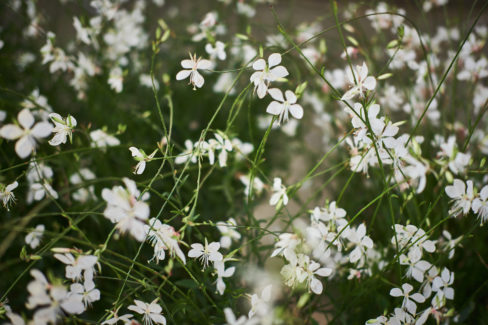
Propagating sweet jasmine at home is actually pretty easy, and it’s a great way to get new plants that look and smell exactly like the parent plant. You definitely don’t need a green thumb or a degree in horticulture to pull this off!
Different Ways to Propagate Your Jasmine
There are a few different methods you can use to grow new jasmine plants. The most popular way is growing from cuttings, but you can also try:
- Layering (using low-hanging branches)
- Growing from seeds
Propagating Jasmine from Cuttings
The go-to method for most gardeners is using cuttings. To do this, snip off a few long stems—look for “softwood” growth that hasn’t turned woody or tough yet. Stick them in a pot with good soil and keep them in a warm spot. After a few weeks, you should start seeing new growth and buds. Once they’ve established a solid root system and grown a bit, they’re ready to move into their own big pot or right into your garden bed.
Propagating Jasmine by Layering
If you have a hardy variety of jasmine, layering is a cool trick to try. Take a long, flexible stem that’s close to the ground and gently bend it down so a section of it touches the soil (or a small pot filled with dirt). Use a stone or a piece of garden wire to keep it pinned down. With a little luck, that section will sprout its own roots after a few weeks. Once the new plant looks strong enough, just snip it away from the mother plant and treat it like a rooted cutting until it’s big enough to hold its own.
Growing Jasmine from Seeds
You can also try growing jasmine from seeds, though I’ll be honest—this is the trickiest method. Jasmine seeds can be a bit finicky and don’t always have the best germination rate, so don’t be surprised if only a few actually sprout. You can buy seeds at a garden center or harvest them yourself from the small berries that appear after the blooming season.
A Quick Note on Winter Hardiness
Even though sweet jasmine is generally a hardy plant that can stay outside year-round, you’ve got to baby the youngsters. Young plants haven’t built up their defenses yet, so make sure to give them some extra frost protection during their first few winters!