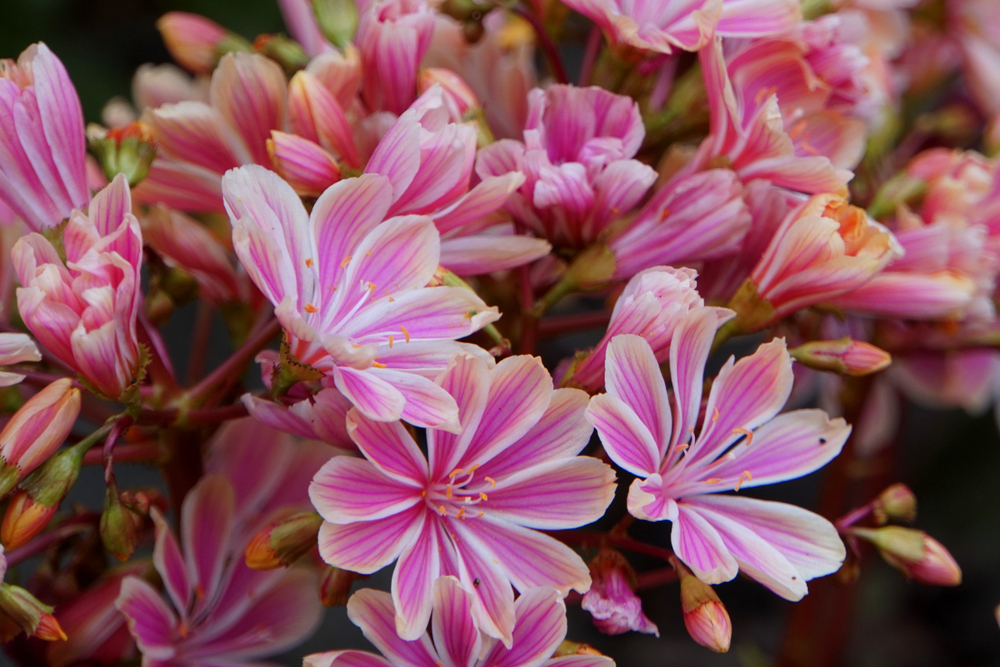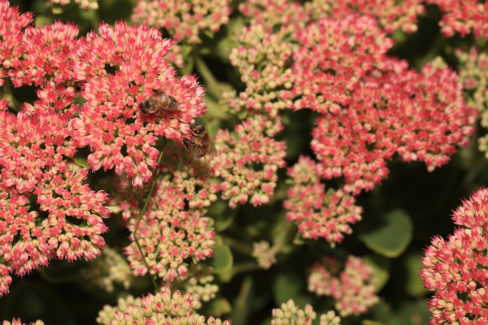
Whether you love the tall, upright varieties with those chunky, succulent leaves or the low-growing stonecrop that carpets the ground, Sedums (often called Stonecrop) are a total staple for any low-maintenance garden. These tough cookies crave the sun, thrive in poor soil, and—best of all—are incredibly easy to propagate.
How to Multiply Your Sedums
There are a few different ways to get more of these beauties for your garden without spending a dime.
Propagating from Cuttings
Whenever you give your Sedum a little trim to keep it in shape, don’t toss those clippings! Those tip cuttings are perfect for starting new plants.
- Fill some small starter pots with a lean, well-draining potting mix.
- Take your cuttings and let them sit out for a day or two so the ends can “callous” over.
- Strip off the bottom leaves.
- Poke the stems into the soil, one per pot.
- Give them a good drink of water.
- To keep humidity up, place the pots in a seed tray with a clear lid or pop a plastic bag over each pot.
- Move them to a warm, bright spot (but out of direct, scorching sun).
- Give them some fresh air daily by lifting the cover, and mist them with a bit of rainwater.
- In about two weeks, you should see new growth—that’s your sign that roots have formed!
- Pro tip: Pinch off the very top of the new growth to encourage the plant to branch out and get nice and bushy.
Propagation by Division
As Sedums get older, they form large clumps. Every four or five years, it’s a great idea to divide them. In the spring, carefully dig up the plant. You can use a spade to slice it into sections, but I prefer gently pulling it apart by hand to minimize damage. Just make sure each piece has at least two growth buds. For the low-growing groundcover types, you can just scoop up a patch with a hand trowel and pull it apart.
Using Leaves or Stems
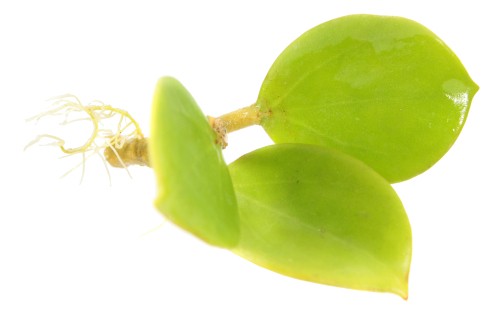
If you aren’t doing a big pruning job, you can still propagate! You can actually grow a whole new plant from a single leaf. Just snip a leaf off, let it dry for a bit, and tuck it into a pot with gritty, lean soil. Keep it moist, and once you see a tiny new sprout at the base of the leaf, you’ve got a winner.
Alternatively, you can take a mature stem or even a flower stalk and stick it in a vase of water. Within two or three weeks, you’ll see roots sprouting. Once they look sturdy, you can plant it right into the garden.
Growing from Seed
If you want to try the “slow and steady” route, leave the faded flower heads on the plant so the seeds can ripen. Harvest the seeds in October or November and sow them the following spring. Since Sedum seeds need light to germinate, just scatter them on top of the soil—no need to bury them!