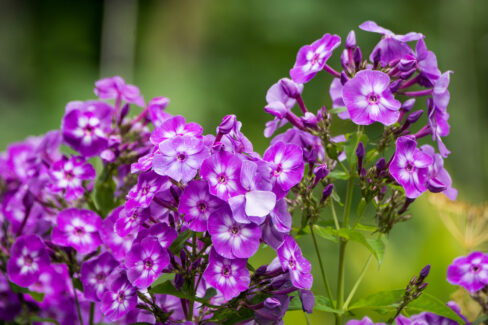
Propagating phlox is actually a lot easier than you might think! With a few simple tips, you can fill your garden with these gorgeous blooms without spending a fortune at the nursery. Here are the three best ways to get the job done:
- Sowing seeds
- Taking cuttings
- Dividing the roots
Growing Phlox from Seed
If you love the idea of watching your plants grow from day one, starting seeds is a fun way to test your green thumb. If you have perennial phlox in your garden and don’t deadhead the spent flowers, they’ll actually self-seed on their own.
You can harvest these seeds for a more controlled planting, but keep in mind that they aren’t “true to seed.” This means the new plant might have a different flower color or growth habit than the parent plant. If you have a specific look in mind, your best bet is to buy a packet of seeds so you know exactly what to expect.
Propagating Your “Flame Flower” with Cuttings
Taking cuttings is a fantastic way to multiply your phlox. The trick is to snip healthy, strong shoots from the mother plant before the first flower buds appear. Aim for cuttings at least 4 inches long and strip off the lower leaves.
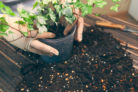
Stick your cuttings into a small pot filled with seed-starting mix. Make sure the pot has a drainage hole so the roots don’t get waterlogged, and give them a good soak right away. Once they’ve established a solid root system, they’re ready to be planted out in the garden.
Pro tip: If you’re working with groundcover phlox (like creeping phlox), plant your cuttings in small bunches. This helps create that lush, carpet-like effect much faster, and if one little cutting doesn’t make it, the others will quickly fill in the gap.
Dividing Phlox Roots
Dividing your plants is hands-down the easiest way to get more phlox. Not only do you get a “free” plant, but it actually helps the original plant stay healthy and vigorous by rejuvenating the root system.
The best time to do this is in the spring or fall. Just use a sharp spade to slice the root ball in half, lift one section out of the ground, and move it to its new spot in the garden. It’s that simple!