Whether you’re looking to introduce St. John’s Wort to your garden for the first time or you want to expand your current patch, propagating your own plants is the way to go. Not only does it save you a trip to the nursery, but it’s also a great way to save some cash. Depending on what you’re starting with, there are a few easy ways to get more of this golden beauty in your yard.
How to Propagate St. John’s Wort
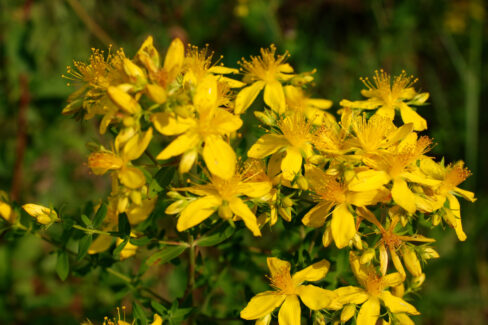
Most people are familiar with Common St. John’s Wort, which is famous as a medicinal herb harvested during its blooming period. But did you know there are over a dozen other species commonly grown in home gardens? Because they vary in growth habit, not every propagation method works for every type. Here are the three main ways to do it:
- Sowing seeds
- Taking cuttings
- Root division
Success with Sowing Seeds
Whether you’ve bought a packet of seeds or harvested your own seeds, you can sow them in either the spring or the fall. While you could start them indoors, it’s usually not worth the extra effort. These plants do great when sown directly into the ground. Just find a sunny spot with loose, nutrient-rich, and slightly moist soil.
- Scatter the seeds evenly.
- Press them down firmly or cover them with just a very thin layer of soil (they need light to germinate!).
- Keep the area moist for the 2–3 weeks it takes for them to sprout.
- Once they hit about 4 inches tall, thin them out so they have room to breathe.
Pro Tip:
When planting St. John’s Wort in a garden bed, give it at least 10 inches of space from its neighbors. This ensures both the herb and your other plants have plenty of room to thrive.
How to Grow from Cuttings
If you prefer starting with cuttings, you can definitely grow healthy new plants this way. Just keep in mind that plants grown from cuttings usually take 2–3 years before they start showing off those yellow flowers. This method is best for the shrubby varieties. Between October and December, you can take hardwood cuttings about 2 to 4 inches long. If you’re gardening between spring and September, soft or semi-ripe cuttings work best.
- Strip off the bottom leaves.
- Stick the cutting into a pot filled with seed-starting mix.
- Keep the soil consistently moist (but not soggy!).
Propagating by Division
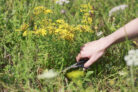
Division is a fantastic method for established perennials, though it’s not the right choice for the woody shrub types. If you have a mature, healthy plant, you can divide the roots in either spring or fall.
- First, prune the plant back.
- Carefully dig up the root ball.
- Cut off a root runner about 2–3 inches long.
- Always use sharp, sterilized shears to prevent disease.
- Plant the new section in a pot for now.
- Keep the soil nice and moist.
Once you see new green growth popping up above the soil, your new St. John’s Wort is ready to be moved into the garden—just make sure the weather is warm and the danger of frost has passed!