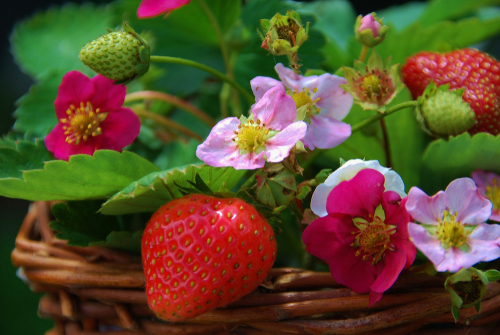
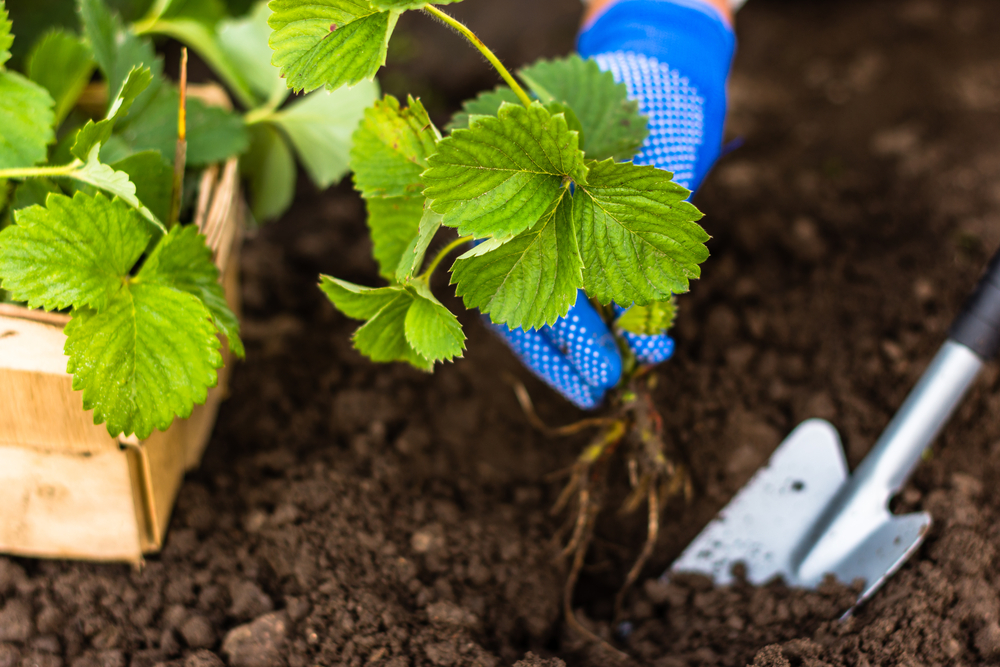
Let’s be honest: we aren’t the only ones who think strawberries are the ultimate summer treat. Slugs and a handful of other pesky critters also have those sweet, red berries at the top of their menu. Dealing with strawberry pests can definitely take the fun out of gardening, so the key is knowing how to spot them early and—more importantly—how to show them the exit.
Slugs and Snails
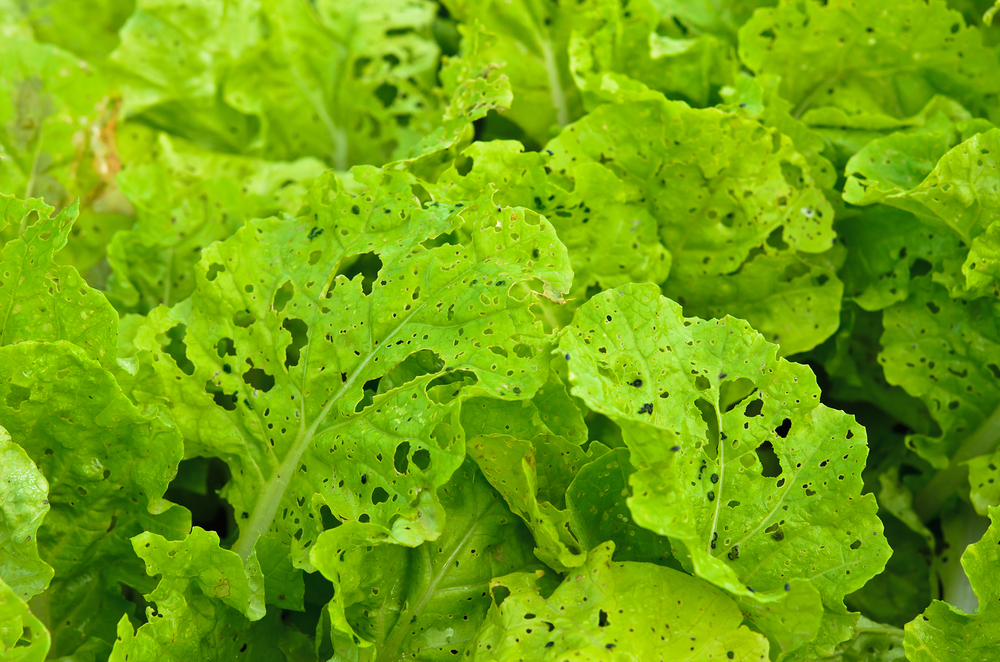
Slugs and snails don’t just stop at your lettuce; they’ll happily munch through your strawberry blossoms and leaves, too. If you don’t feel like spending your evenings on “slug patrol” picking them off by hand, there are better ways to handle the situation.
First things first: keep the toxic slug pellets out of your veggie garden. Those chemical baits aren’t just bad for the slugs; they’re dangerous for wildlife like hedgehogs and even your pets. Plus, they kill off the “good” snails that actually help your garden by eating slug eggs.
A much better (and cheaper!) trick is using old coffee grounds. Since most of us have these sitting in the filter anyway, it’s a win-win. Caffeine is actually toxic to slugs. Just dry out the grounds and sprinkle them in a ring around your strawberry patch or individual plants. Another pro tip? Try growing your strawberries in a raised bed—it makes it much harder for those slimy visitors to reach your harvest.
Strawberry Blossom Weevils
This pest is a tiny little beetle that packs a big punch. They are hard to spot, but if you see them, they’re usually black with vertical stripes on their backs. The females are the real troublemakers here because they lay their eggs right inside the flower buds. This causes the buds to wither, providing the perfect nursery for the larvae to hatch.
To make matters worse, the adult females gnaw on the flower stems while the larvae snack on the leaves. If you see withered buds, pinch them off immediately and toss them—that’s how you get rid of the larvae before they hatch. You can then hand-pick any beetles you see. For a natural preventative, try mulching with fern fronds in the spring; it helps discourage the females from settling in your patch in the first place.
Strawberry Millipedes
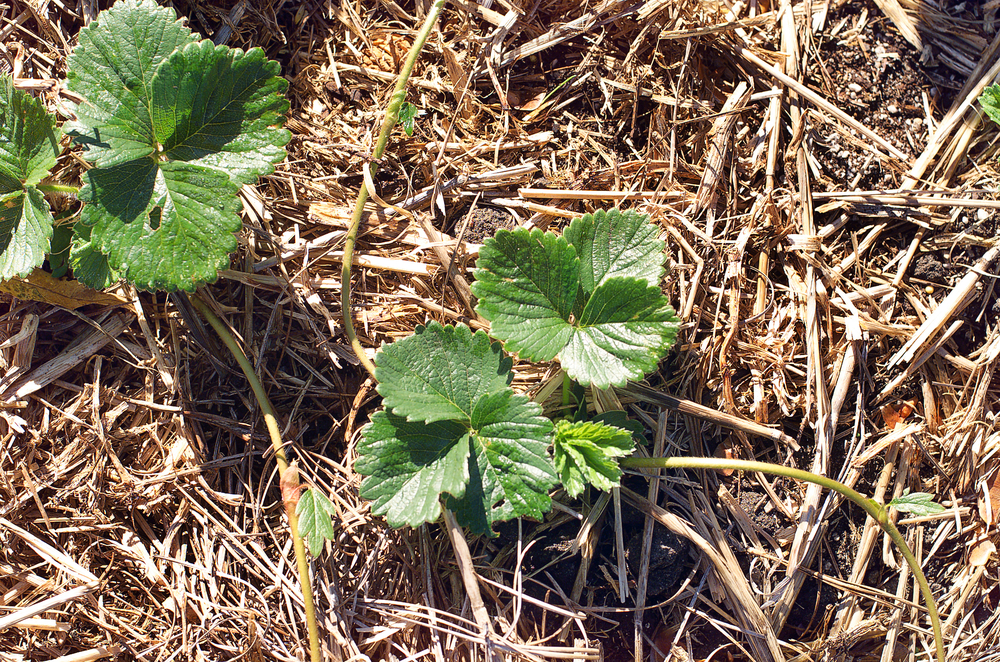
If you ever bite into a berry and find a tiny worm-like creature inside, you’ve likely met the strawberry millipede. These guys love damp, compost-heavy soil. To keep them away, the goal is to keep your fruit dry. You should definitely mulch your plants with straw to lift the berries off the dirt. It’s also a great idea to try companion planting—strawberries love growing alongside members of the onion family (like leeks or garlic) or marigolds, which help naturally repel these pests.