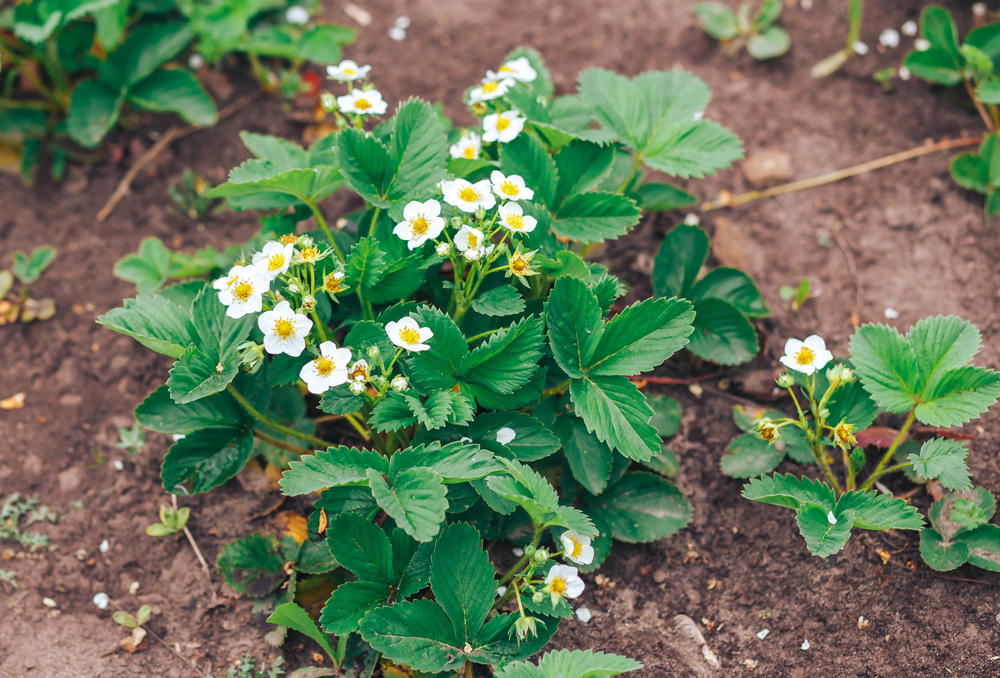
title: Covering Strawberries: Protecting Your Berries from Frost, Dirt, and Birds
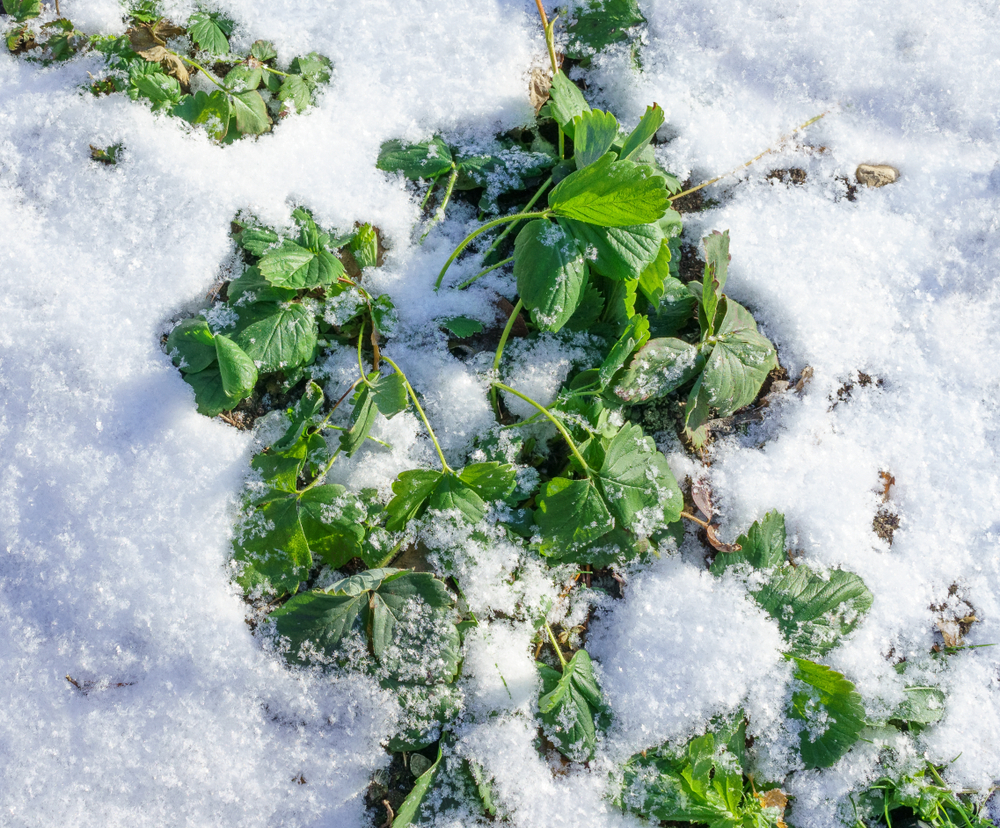
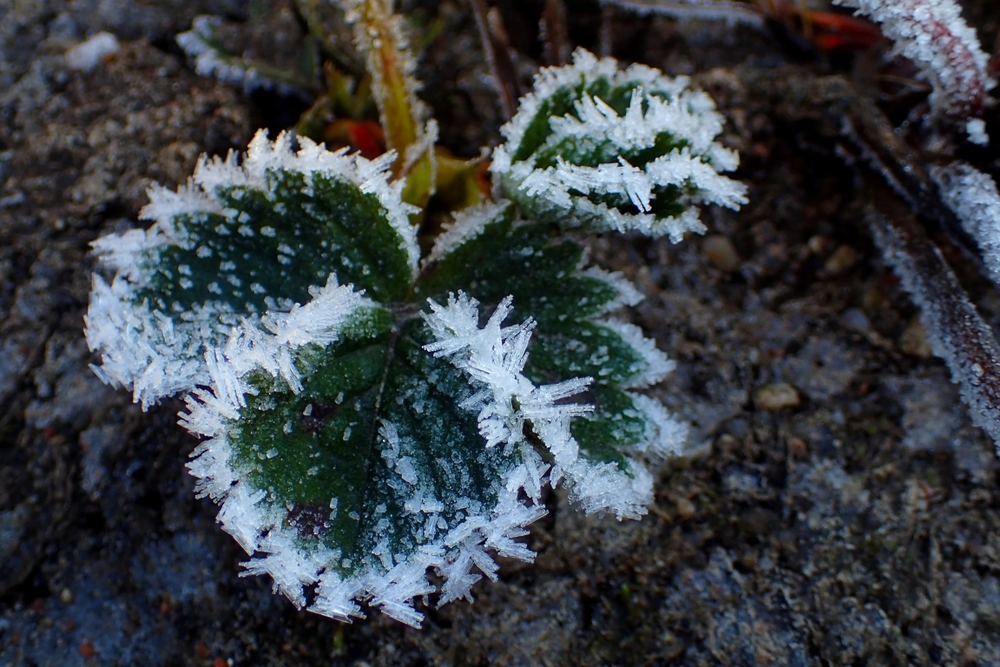
If you’re dreaming of a massive strawberry harvest this summer, the work actually starts with a little winter TLC. Giving your plants a cozy cover makes a world of difference when it comes to frost protection, and as a bonus, it keeps your berries from getting muddy. In this post, I’ll walk you through the best materials to use and the best way to tuck your strawberry patch in for the season.
Straw: The Gold Standard for Clean, Cozy Berries
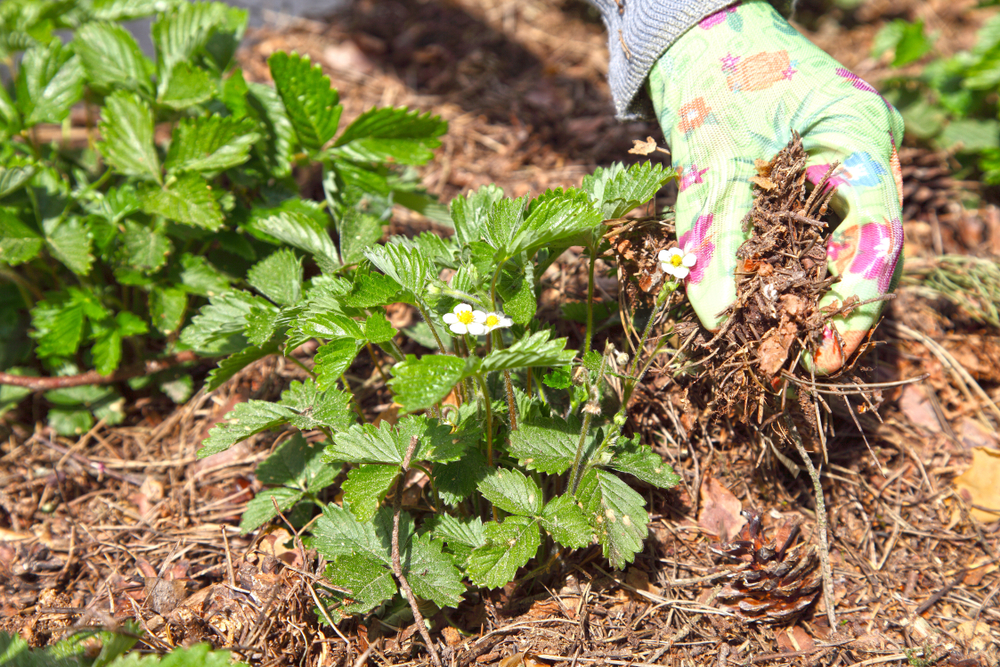
If you want to keep things eco-friendly and effective, natural materials are definitely the way to go. Straw is a classic for a reason—it’s easy to find, chemical-free, and does a fantastic job of insulating those frost-sensitive plants against the winter chill.
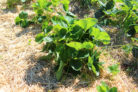
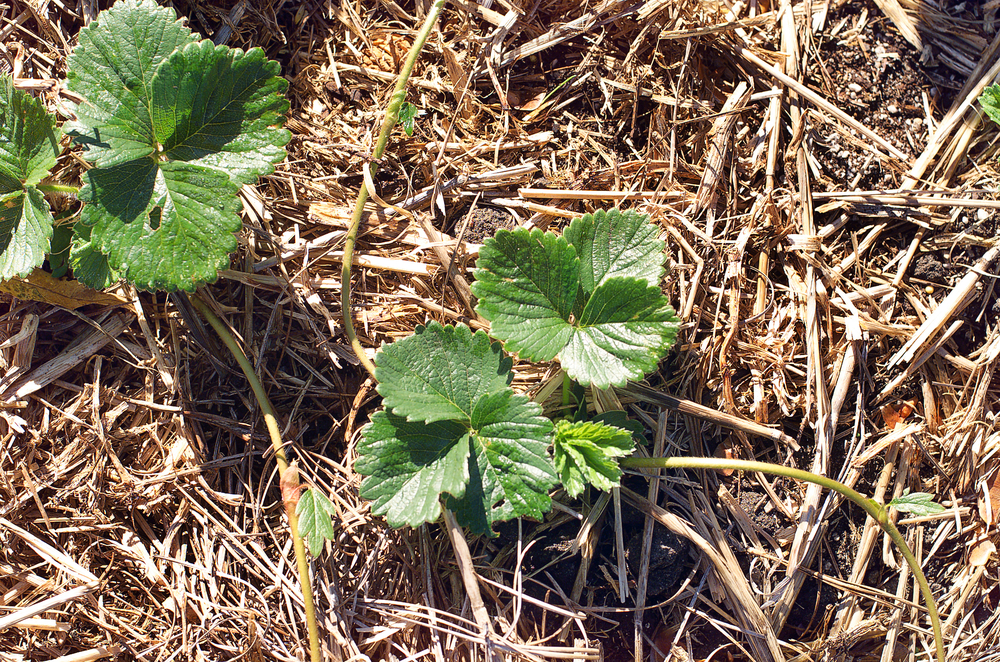
Whether you’re growing in raised beds or garden rows, you’ll want to lay down a layer about an inch thick. The best time to do this is right after planting or, at the very latest, once the blossoms appear. If you have leftover straw from last year, just work it into the soil as mulch and spread a fresh layer of straw or hay on top.
Dried grass is surprisingly tough and acts like a shield for these shallow-rooted plants. It prevents late spring ground frosts from reaching the roots, stops the sun from drying out the soil too quickly, and—my favorite part—keeps the ripening fruit off the dirt so they stay nice and clean.
Great Alternatives to Straw and Hay
If you can’t get your hands on straw, don’t worry! There are plenty of other natural options that work wonders for strawberry plants:
- Sawdust: Just make sure it’s from untreated wood. It’s also great for deterring slugs!
- Bark Mulch: This keeps the berries clean while holding in moisture and warmth.
- Pine or Fir Boughs: A great “foraged” option if you have evergreens nearby.
- Wood Wool: This is a fantastic choice for container gardens or balcony boxes.
Keeping the Birds at Bay
While straw and mulch are great for the soil, they won’t stop a hungry bird from snagging a snack. To protect your ripening berries from feathered thieves, you’ll need to level up to a high-quality bird net.
Look for a net with a fine mesh (around 1/4 inch or 7×7 mm). This size is perfect because it keeps the birds out without the risk of them getting tangled in the netting. Simply drape the lightweight net over your plants, and you can rest easy knowing your harvest is safe.