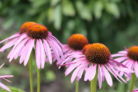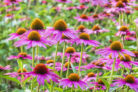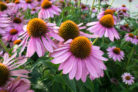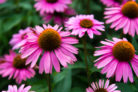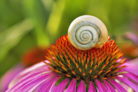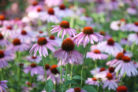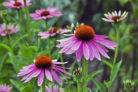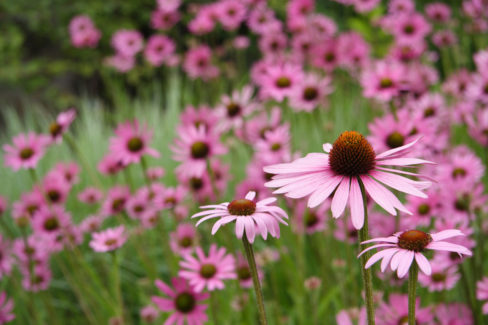
Coneflowers—scientifically known as *Echinacea*—are a staple in the daisy family (Asteraceae). You might hear them called “hedgehog coneflowers” because of those prickly centers, but don’t get them confused with their cousins, the *Rudbeckia* (Black-eyed Susans). Even though they share a common name in some languages, they are definitely their own unique thing!
What Exactly is a Perennial?
In the gardening world, we use the term “perennial” all the time, and it’s even made its way into official botany books. Basically, when we talk about perennials, we’re looking for a few specific traits:
- They live for more than two years.
- They are “herbaceous,” meaning they have soft, green stems rather than woody ones like shrubs or trees.
- Their top growth usually dies back once the growing season ends.
- They have underground storage organs (like rhizomes, bulbs, or tubers) to help them survive the winter.
Since “perennial” isn’t a strictly scientific term, the line can get a little blurry. Gardeners often include hardy ferns, many ornamental grasses, and even some aquatic plants in this category. When you’re browsing your local nursery, you’ll usually see them grouped by where they like to live, such as:
- Woodland perennials
- Edge-of-woods plants
- Open-field or meadow varieties
- Rock garden plants
- Showy border perennials
- Bedding plants
- Waterside or alpine varieties
Is the Coneflower a Perennial?
The “Long-Lived” and “Herbaceous” Test
Every species of *Echinacea* is a herbaceous, long-lived flowering plant. That checks off the first two big boxes for being a perennial. “Long-lived” (or perennial) simply means:
- They live for several years.
- They bloom and produce seeds annually.
The Winter Die-Back
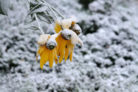
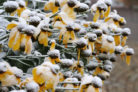
When the cold weather hits, the above-ground parts of the coneflower dry up and turn brown. However, unlike some plants that just turn to mush, coneflower leaves and flowers stay attached to the stem. You don’t actually have to cut them back right away! Leaving those dried seed heads standing can add some beautiful structure and “winter interest” to a gray garden—plus, the birds love the seeds.
The Storage System
To survive the winter, most coneflowers rely on a deep taproot that stores energy. The one exception is *Echinacea purpurea* (the Purple Coneflower), which grows a fibrous root system that spreads out horizontally rather than straight down.
So, the verdict is in: the coneflower hits every mark on the perennial checklist. And just in case you were wondering—the same goes for *Rudbeckia*!