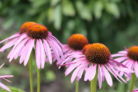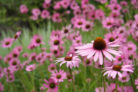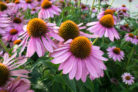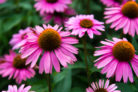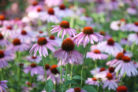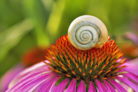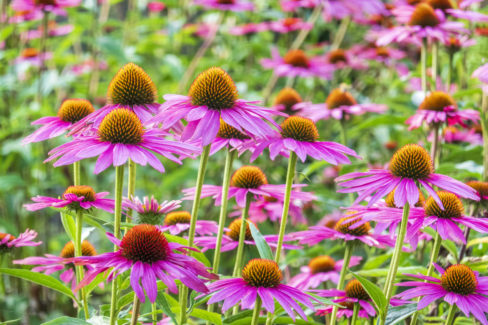
The original home of the Coneflower (botanically known as *Echinacea*) is right here in the USA! In the wild, you’ll spot them brightening up rocky outcrops and sweeping prairies. Because they are incredibly winter-hardy, they’ve become a staple in gardens and balcony planters everywhere.
Location and Soil
When you’re browsing your local nursery, you’ll most likely find the Purple Coneflower (*Echinacea purpurea*). However, you might also run into its cousins, like the Narrow-Leaf Coneflower (*E. angustifolia*) or the Pale Purple Coneflower (*E. pallida*).
The Right Spot
Since these are true prairie plants at heart, your Coneflowers are going to need:
- Plenty of light
- Full sun
This means they are perfect for those spots in the middle of your yard where there’s zero shade. They make a fantastic centerpiece for a perennial bed because, honestly, they’re about as low-maintenance as it gets.
While they can tolerate light or dappled shade, keep in mind that they won’t bloom nearly as impressively if they aren’t soaking up those rays.
Soil and Substrate
These beauties aren’t picky when it comes to dirt. A standard garden soil works just fine, provided it is:
- Well-draining
- Dry to slightly moist
- At a pH level between 5.5 and 7.5 (slightly acidic to slightly alkaline)
Coneflowers are tough cookies and can thrive even in pretty poor soil. They’re also quite drought-tolerant once established. Just a heads-up, though: if the ground stays *too* bone-dry for too long, your flower production might take a hit.
If you’re growing them in pots or containers, any high-quality potting mix from the store will do the trick.
Don’t Mix Them Up with Black-Eyed Susans!
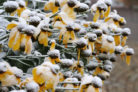
In the gardening world, both *Echinacea* and *Rudbeckia* are often called “coneflowers” or “sun hats.” While *Rudbeckia* (like the classic Black-Eyed Susan) also loves the sun, they have very different thirst levels. Make sure you know which one you’re planting so you don’t run into trouble:
- The perfect dry soil for *Echinacea* is way too dry for *Rudbeckia*.
- The moist soil that *Rudbeckia* loves will give *Echinacea* “soggy feet” (root rot).