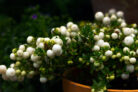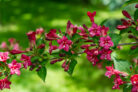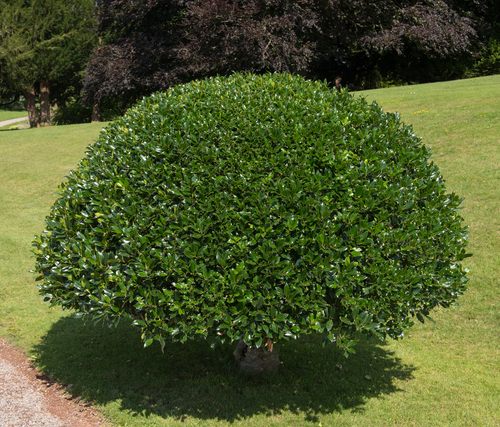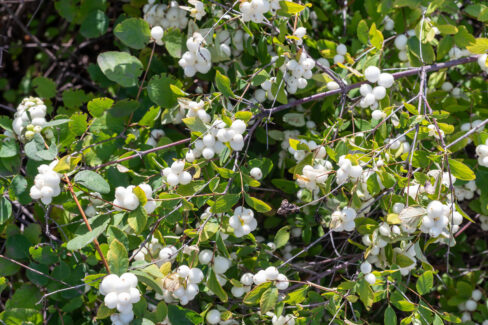
The Snowberry—or as many of us fondly call it, the “Common Snowberry”—is a real powerhouse in the garden. It grows incredibly fast, spreading out both wide and tall. While its vigor is impressive, a regular pruning routine is key to keeping it looking tidy and under control.
The Snowberry is Low-Maintenance
One of the best things about the Snowberry is how easy-going it is. It’ll thrive just about anywhere and can quickly turn into a lush groundcover. However, because it’s such a fast grower, you’ll want to keep your shears handy. Regular trimming is the only way to maintain its shape and stop it from completely taking over your yard.
Different Types of Pruning
To keep your Snowberry in tip-top shape, there are a few different types of cuts you should know about:
- Maintenance pruning
- Rejuvenation pruning
- Radical pruning (hard pruning)
- Pruning for cuttings
Maintenance Pruning
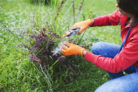
You can pretty much do a quick tidy-up year-round. If you see any stray or overly long branches sticking out, go ahead and snip them off. This keeps the shrub looking manicured and helps it hold its intended shape.
Rejuvenation Pruning for Older Shrubs
As Snowberries get older, they often start looking a bit “leggy” or bare at the bottom—usually because they haven’t been pruned enough over the years. To fix this, cut back the old woody stems to just a few inches above the ground. This leaves room for the younger, flowering branches to shine. Come next spring, your shrub will reward you with fresh, healthy new growth.
The Radical Cut (Hard Pruning)
If your Snowberry has become a massive, overgrown tangled mess, don’t be afraid to get aggressive. You can perform a “rejuvenation” by cutting the entire plant down to just a few inches above the soil line. It might feel a bit scary to cut that much, but don’t worry! Snowberries are incredibly resilient and handle heavy pruning like champs. They’ll sprout back quickly in the spring, and you’ll usually see flowers and berries again within just a year.
Pruning for Cuttings
If you want to grow even more Snowberries, you’ll need to take some cuttings. The best part? You can usually just save the healthy snips you make during your regular maintenance or shaping sessions to use for propagation.
Timing is Everything: Respect the Wildlife
Before you start hacking away, keep our feathered friends in mind. Always check for nesting birds or other small critters before you prune. It’s also a good idea to avoid pruning while the plant is in full bloom, as those flowers are a vital food source for bees and other pollinators. The best rule of thumb is to wait until after the flowering season and once the local nesting period has ended.