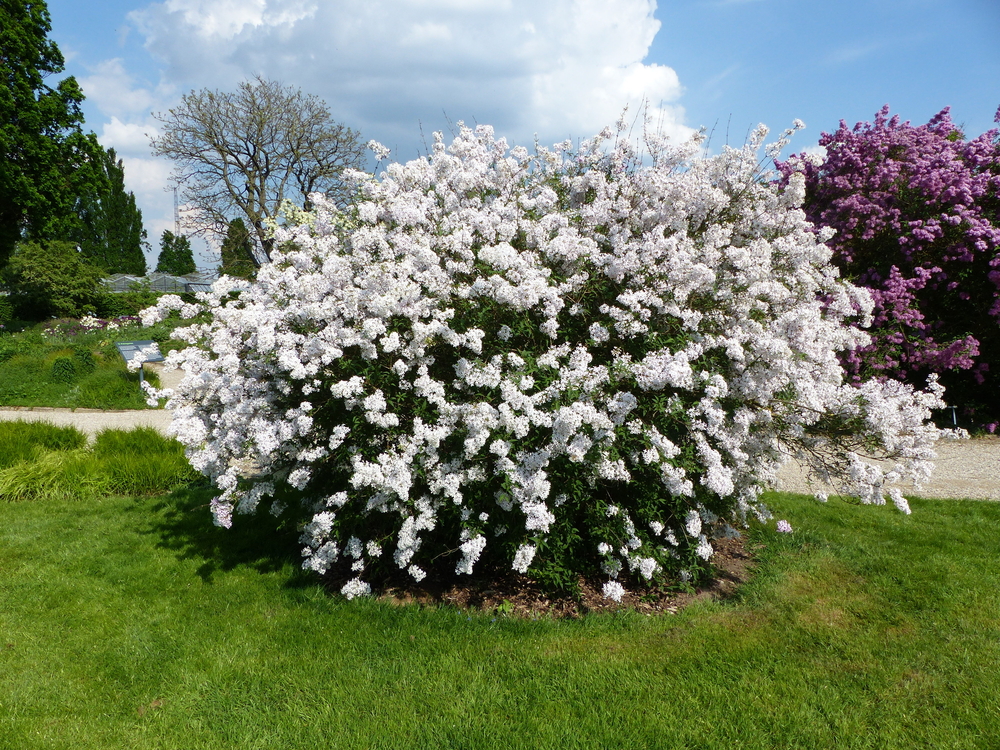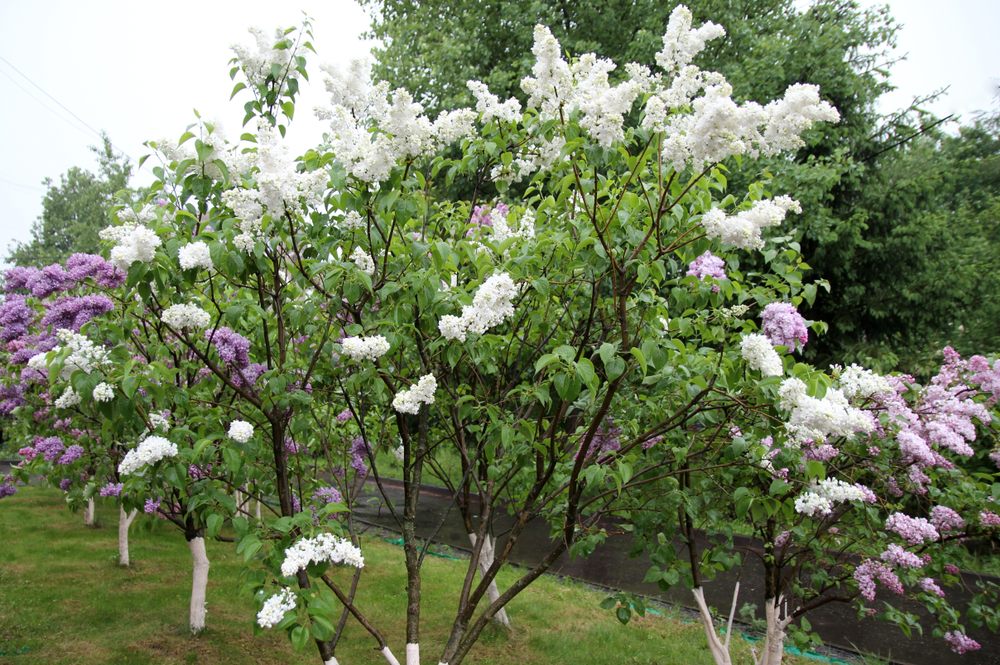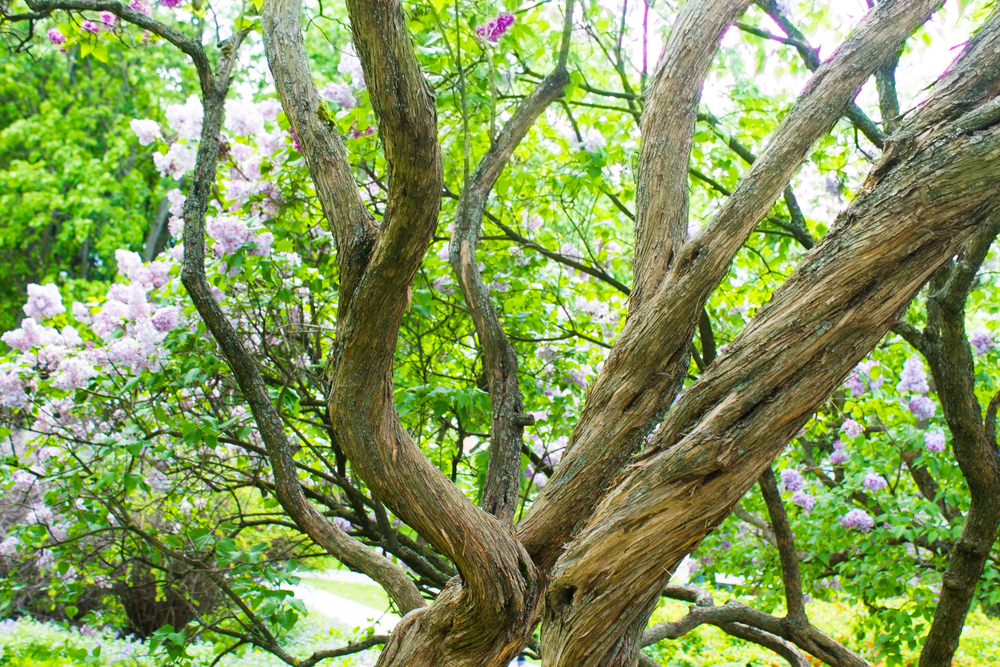
When a lilac bush starts getting up there in years, it usually loses a bit of its luster. You’ll notice fewer of those gorgeous blooms, thinner foliage, and a “leggy” look that isn’t exactly eye-catching. But don’t worry! You can easily fix this with a rejuvenation prune to get your shrub looking lush again.
How to Give Your Old Lilac a Fresh Start
If your lilac is looking pretty ancient, it’s time for a “hard prune.” You’ll want to cut back all the main branches to about 24 to 30 inches (60 to 80 cm) above the ground. Make sure you’re using a sharp pruning tool—you want clean cuts, not jagged edges or torn bark. By the following summer, your lilac should respond with a burst of new growth. At that point, go ahead and trim away any branches growing toward the center or any that are wildly out of shape.
The year after that, you only need to do a light trim and snip off the old flower heads. After that, give your shrub a break for a few years so it can fully recover from its makeover. Keep in mind that a heavy prune often triggers the lilac to send out root suckers.
This is basically the plant’s survival instinct kicking in after a major haircut. You’ll want to remove these suckers, though, because they steal energy from the main plant—energy it desperately needs to bounce back from the pruning.
Keeping Your Lilac Young and Vibrant
Once you’ve rejuvenated your lilac, you’ll want to keep it from getting “old and woody” too quickly again. The secret is regular maintenance. It’s a simple concept: by removing old wood, you encourage the plant to produce fresh, young branches. This keeps the bush looking full, leafy, and packed with flowers.
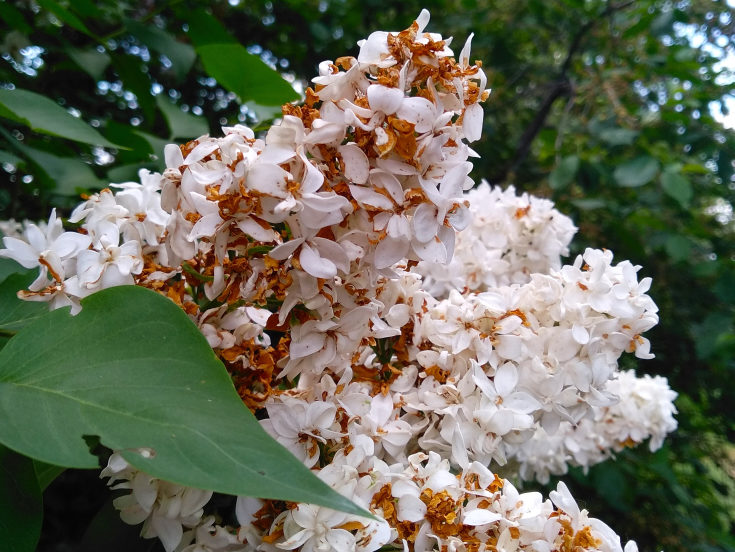
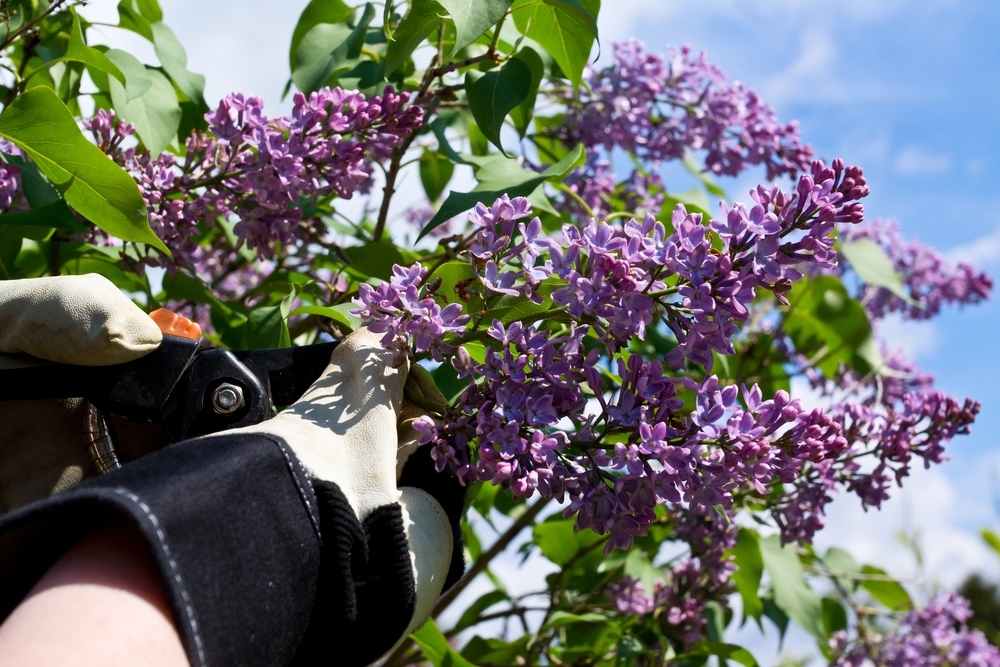
For your annual maintenance, start by deadheading (removing) withered blooms and cutting out any dead or stray branches. You should also prune away branches that cross over each other or grow inward. Try to make your cuts close to the base of the branch with one clean snip.
Ragged cuts are basically open invitations for diseases and pests. You can avoid this by making sure your shears and saws are nice and sharp before you head out to the garden—or treat yourself to a new pair if your old ones have seen better days!