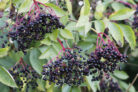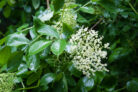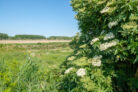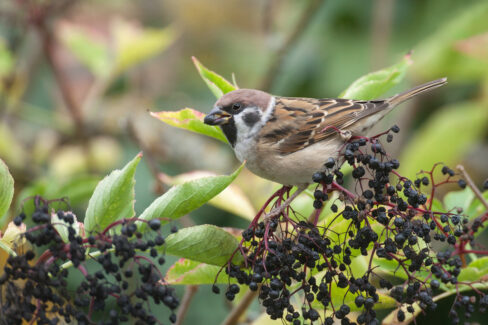
Black elderberry is a real showstopper in the garden, often growing into an impressive, sprawling beauty. But because it’s such a vigorous grower, it usually needs a little tough love with the pruning shears. Whether you’re trying to keep it from taking over your yard or you want to boost your berry harvest, knowing how and when to cut it back is key.
In this guide, I’ll walk you through the different ways to prune your *Sambucus nigra*, why it’s important, and—most importantly—when to do it so you don’t accidentally lose out on those lovely flowers and berries.
Pruning Options for Your Elderberry Bush
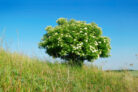
In the wild, a massive elderberry bush is a sight to behold, with its long branches arching gracefully toward the ground. In a backyard setting, however, that “wild look” can quickly turn into “taking over the patio.” That’s why most of us home gardeners keep a regular pruning schedule.
The good news? Black elderberry is incredibly resilient and handles pruning like a champ. Depending on what you’re aiming for, there are a few different ways to tackle the job:
- Structural Pruning (Year 2): Helps the plant establish a strong, organized shape.
- Hedge Maintenance (Year 2+): Done annually if you’re growing your elderberry as a natural privacy screen.
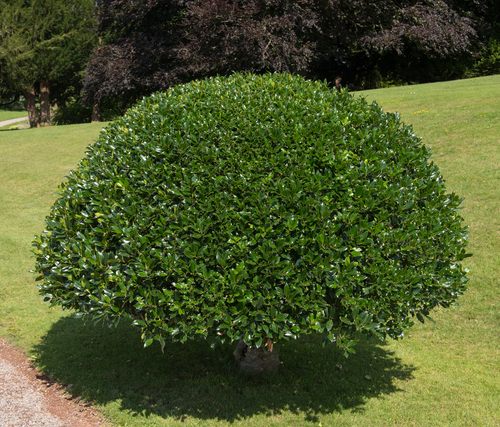
- Training (Up to Year 4): If you want to train your young shrub to grow into a single-trunk tree shape.
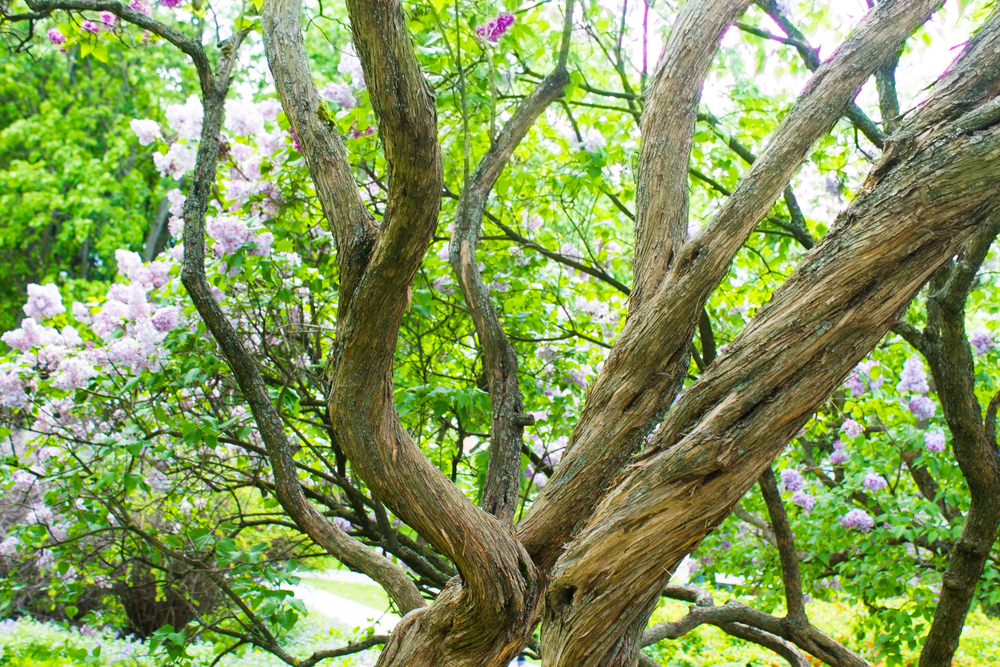
- Thinning Out (Year 3+): Removing older wood to encourage better airflow, more flowers, and a bigger fruit harvest.
- Rejuvenation Pruning: A heavy cut for older, “leggy” bushes that need a fresh start.
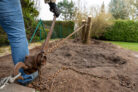
- Coppicing (Cutting to the Stump): Done in winter to completely revitalize an overgrown or messy hedge.
When is the Best Time to Prune?
Timing is everything with elderberries because they primarily bloom on “second-year wood” (the long shoots that grew the previous year). If you prune right after the flowers bloom, you’ll lose your berry crop. If you prune too early in the fall, you might stimulate new growth that gets zapped by frost.
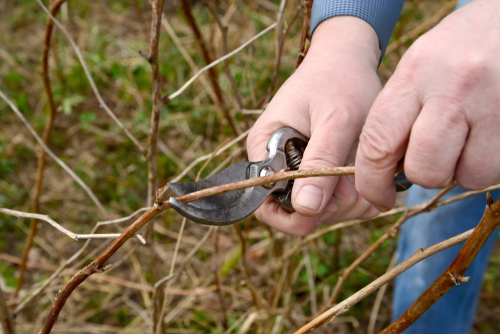
The sweet spot for pruning is actually late winter or very early spring. At this time, the plant is still dormant, but you can clearly see the new flower buds starting to swell. This makes it much easier to avoid cutting off the branches that are about to give you flowers.
I personally recommend grabbing your shears between late January and early March, just before the new growth starts. Pick a day that’s dry and above freezing, and your elderberry will be primed for a fantastic season!