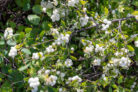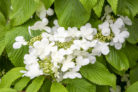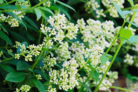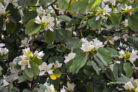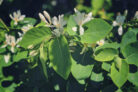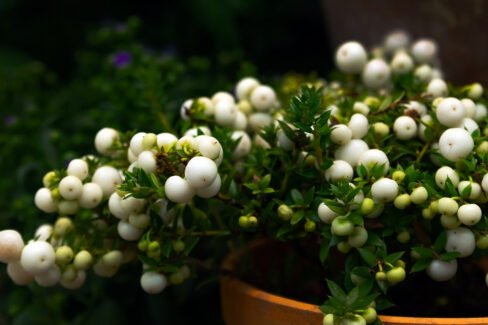
The Snowberry is a true staple in many gardens, and for good reason! While those iconic little berries are a no-go for us humans to eat, they are a fantastic food source for our local birds and pollinators. Known to many as the “Symphoricarpos,” this shrub has some pretty cool tricks up its sleeve.
Quick Facts About the Snowberry
Whether you know it as the common Snowberry or by its fun nickname, the “Popping Berry,” this plant is a backyard favorite. Here’s a quick rundown of everything you need to know:
- The Snowberry belongs to the Honeysuckle family (Caprifoliaceae). Its botanical name is *Symphoricarpos albus*. Depending on where you grew up, you might also know it as Waxberry or Ghostberry.
- It’s actually a North American native! However, it’s become a popular sight in gardens all across Europe over the years.
- On average, these shrubs hit about 6 feet in height. That said, you can find dwarf varieties that stay around 12 inches, or “overachievers” that reach up to 10 feet. They can get pretty bushy, too, spreading out up to 6 feet wide.
- The foliage consists of simple, green leaves about 1.5 to 2.5 inches long. Come autumn, they put on a show by turning a lovely yellow.
- The flowers are dainty, bell-shaped, and usually a soft pinkish-white. They’re tiny (about a quarter-inch long), but they bloom consistently from May all the way through September.
- The fruit is the star of the show: round, berry-like drupes that are usually snowy white, though some varieties pop in pink or red. They ripen in the summer and often hang onto the branches well into winter.
- Heads up: These berries are mildly toxic, so make sure the kids and pets don’t snack on them!
- If you want more of them, you’re in luck. They can be propagated via seeds, suckers, or cuttings.
- They are incredibly eco-friendly, providing a vital buffet for bees, butterflies, and birds.
- These plants are tough as nails and completely winter-hardy, so no need for fancy winter protection.
- They’re super versatile in landscaping—they work great as a standalone specimen, a privacy hedge, or even as an underplanting for larger trees and shrubs.
Popular Snowberry Varieties
Gardeners have bred some beautiful varieties over the years. Here are a few of the most popular ones to look for:
- The Common Snowberry (*Symphoricarpos albus laevigatus*): The classic choice with bright white berries.
- Chenault Coralberry (*Symphoricarpos chenaultii*): Features a mix of white and red berries.
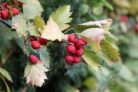
- Coralberry (*Symphoricarpos orbiculatus*): Famous for its striking red fruit.
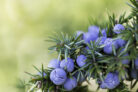
- Amethyst Snowberry (*Symphoricarpos doorenbossii*): Perfect if you want a pop of pink or purple in your yard.