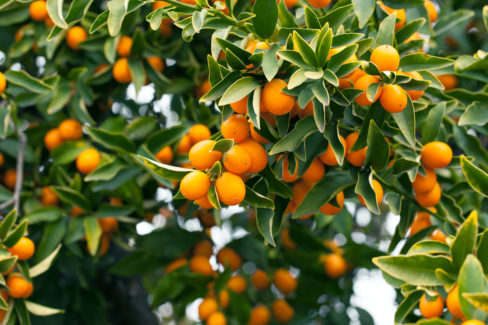
Compared to other citrus varieties, kumquats are pretty fast growers. That means if you want to keep yours looking its best, you’ll need to stay on top of pruning. Regular trimming isn’t just about aesthetics, though—it’s also key to keeping your plant healthy and productive.
Tools of the Trade
When it’s time to prune your kumquat, you can use either anvil or bypass shears. The most important thing is that the blades are razor-sharp. Dull blades tend to crush the branches rather than slice them, which can lead to dieback.
You’ll also need something to disinfect your tools. Rubbing alcohol or a standard disinfectant works great. If you’re in a pinch, you can use hot water and dish soap, but try not to make that a habit since water can lead to rust on your blades.
Cleaning your shears is a must to prevent bacteria or fungi from hitching a ride into those fresh cuts. Make sure to clean them before and after you work, and definitely give them a quick wipe-down if you’re moving from one plant to another.
Timing is Everything
The best time to give your kumquat a haircut is in the spring. I recommend doing your first prune right after you bring the plant out of winter storage. This gives the plant a fresh start so it can really thrive during the summer growing season.
If your kumquat is exceptionally happy and the weather has been perfect, it might grow so much that it needs a second trim in the fall. This late-season pruning is mostly about keeping the plant compact so it doesn’t take up too much room when you move it back indoors for the winter.
How to Prune
Take your time with the spring pruning—doing it right sets the stage for a healthy year. Usually, you won’t need to remove any thick branches. However, if you do cut anything thicker than your finger, it’s a good idea to seal the wound with some grafting wax to keep diseases out.
Spring Pruning Checklist:
- Remove any misshapen or “funky” looking branches.
- Cut out weak growth or branches that are crossing over each other.
- Shorten long, leggy shoots by about 2/3 of their length.
If you decide to do a second trim in the fall, just take off about 1/3 of the new growth. This helps the plant conserve its energy while it rests over the winter.