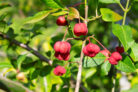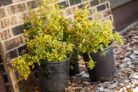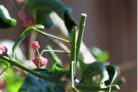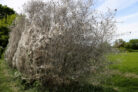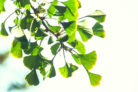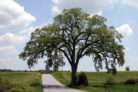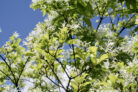
The Spindle Tree (or *Euonymus europaeus*) is a total showstopper in the garden, thanks to its vibrant colors. Even though it’s toxic, plenty of gardeners love growing it because it’s incredibly low-maintenance. You’ll often see these large shrubs lining paths or pond edges in public parks, where they usually only get a trim once a year.
Does your Spindle Tree actually need pruning?
If you’ve got plenty of room in your yard, the best move is often to just let this shrub do its thing. However, if it starts getting a bit too wild, you can thin out unwanted branches in the spring or fall. A light trim actually encourages the plant to grow in even denser. If left unpruned, it’ll spread out in every direction, providing a perfect buffet and cozy shelter for local wildlife.
Depending on the look you’re going for, there are a few different ways you can prune your Spindle Tree:
- Shaping (Topiary style)
- Hedge trimming
- Hard pruning (Rejuvenation)
- Bonsai styling
One thing to keep in mind if you’re pruning regularly: flowers develop on two-year-old wood. If you get too aggressive and cut away all the young wood, your next bloom will be pretty sparse—which means you’ll miss out on those iconic colorful autumn fruits!
Shaping your shrub
If space is tight, you’ll want to give your Spindle Tree a “haircut” every spring or fall to keep it in shape. Start by cutting dead or damaged branches right at the base. Then, trim back any rogue branches that are breaking the silhouette you want. Pro tip: Always use clean, disinfected tools to prevent spreading fungi or diseases. You don’t need to worry about sealing the cuts on a Spindle Tree; they heal just fine on their own.
Trimming a hedge
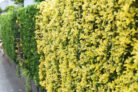
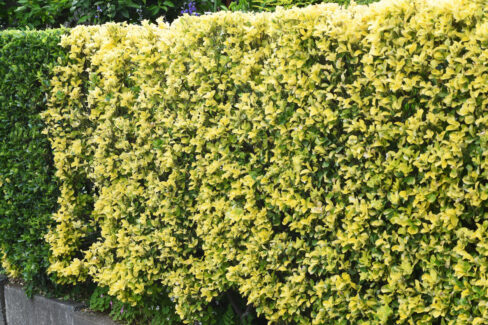
Spindle Trees are a fantastic choice for planting a hedge. To keep it looking thick and uniform, you’ll need to stay on top of shaping it. Remove any awkward main or side shoots that mess with the clean lines. Pruning like this actually triggers the plant to sprout new growth, making your hedge denser every year. You can do this by hand with shears, but an electric hedge trimmer is definitely the way to go if you want speed and precision.
The “Hard Prune” (Rejuvenation)
If your shrub is starting to look a bit leggy or unattractive, a radical “hard prune” can act like a fountain of youth. The best time for this deep cut is early spring. If you can, try to leave a few two-year-old branches so the plant can still flower. This is a hardy species, so it should be fully recovered and looking fresh by the time winter rolls around.
Bonsai styling
With a little patience, Spindle Trees make stunning bonsais. You can start training them with wire while they’re still very young. Because they grow so fast, you’ll need to prune them several times a year to maintain the shape. Their roots are just as vigorous as their branches, so don’t forget to give the roots a trim and move the plant to a fresh pot every now and then!