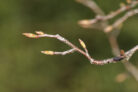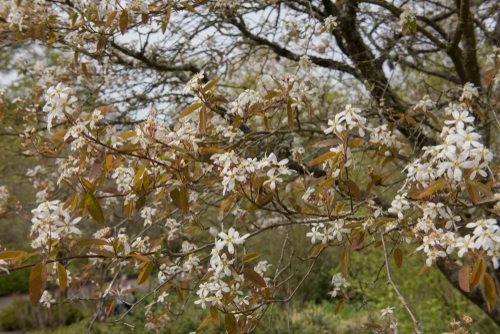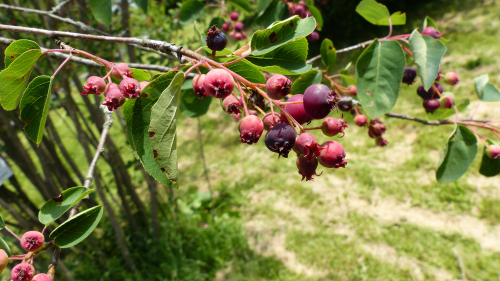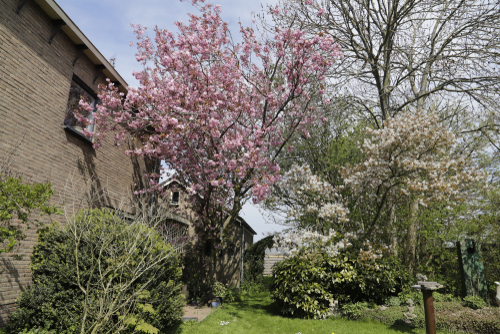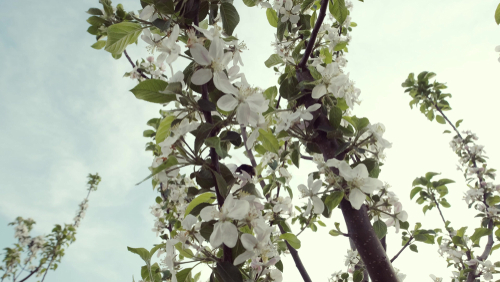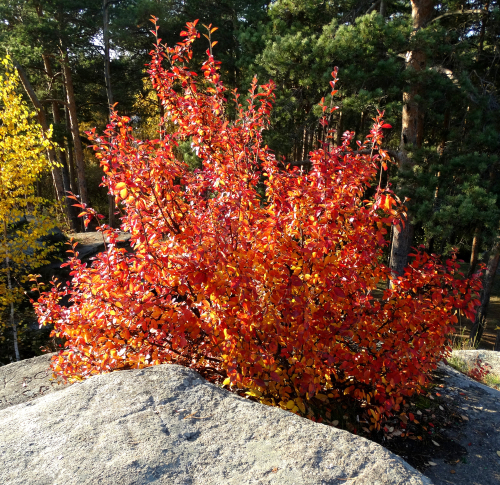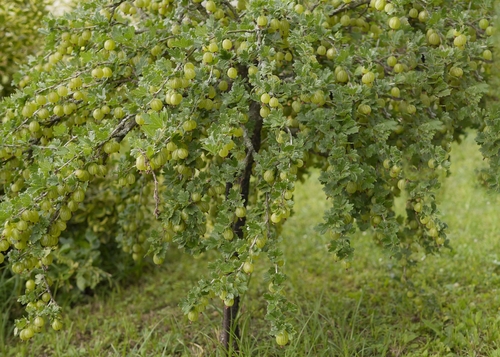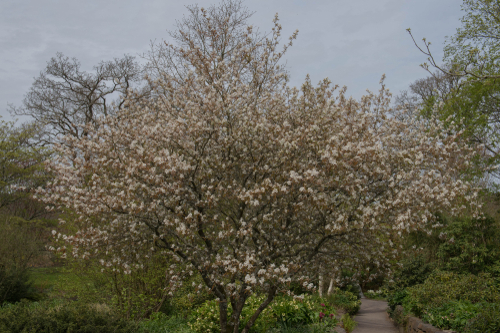
In the spring, she wears a stunning gown of white blossoms; by late summer, she’s covered in deep blue-black berries; and come fall, her foliage turns a brilliant, fiery red. If you decide to plant a Serviceberry (also known as Juneberry or *Amelanchier*), you’re adding a true crown jewel to your garden. Not only is it gorgeous, but it’s also incredibly hardy, handles pruning like a champ, and works perfectly as either an ornamental focal point or a fruit-bearing shrub.
Pruning Serviceberries as Trees or Shrubs
When it comes to pruning, the Serviceberry is a total “choose your own adventure” plant. You can get as creative as you want with its shape, and even if you’re a little heavy-handed with the shears, this plant is very forgiving. Generally, you’ll want to decide whether you want it to grow as a multi-stemmed shrub or a single-trunk tree. It’s great at adapting to whatever space you have available.
However, if you’re growing your Serviceberry in a pot, make sure the container is plenty big. If it gets root-bound, the roots can start circling (known as “pot-bound” or “girdling” roots), which can stress the plant so much that it stops producing those lovely flowers and berries.
Here’s a quick cheat sheet for when to tackle different types of pruning:
- Thinning out a shrub: Late February to early March
- Training/shaping a tree: Late February to early March
- Rejuvenation pruning (for old plants): January to February
Thinning out the branches helps maintain that “wow” factor for blooms and boosts your berry harvest by letting light reach the center of the plant. Training is what you’ll do if you want to keep your tree at a specific height or shape. And if you have an old, overgrown Serviceberry that’s looking a bit tired, a hard rejuvenation prune can give it a second lease on life.
The Annual Thinning: Keeping Things Airy
Serviceberries are some of the longest-lived flowering shrubs out there. Even on older branches, they’ll still produce a sea of white flowers. Because they’re so reliable, they don’t actually *need* a ton of maintenance. However, a “light-filled” shrub is a happy shrub. Thinning it out allows sunlight to penetrate deep into the center. You get to decide how much to take off—just remove individual stems right at the base. You only really need to trim the tips if they’re becoming excessively twiggy or tangled.
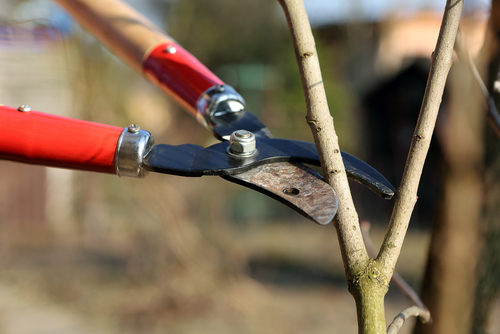
The best time for this is a mild, frost-free day in February. Grab your pruning shears or a small saw, but make sure they are sharp. You want clean, crisp cuts; tearing or crushing the wood creates “wounds” that invite pests and disease. Pro tip: Sanitize your blades with rubbing alcohol before you start to keep things germ-free.
A good rule of thumb is to cut back at least two of the oldest stems right to the ground, but make sure to leave at least two of the strongest, straightest old stems standing. Any thin “suckers” (new shoots from the roots) from the previous year should be snipped off at the base. You can thin out the rest as you see fit. Honestly, for the first six to ten years of its life, you can pretty much leave the Serviceberry alone—it’ll bloom its heart out without any help!
Managing Height: Don’t Let Your Tree Hit the Clouds
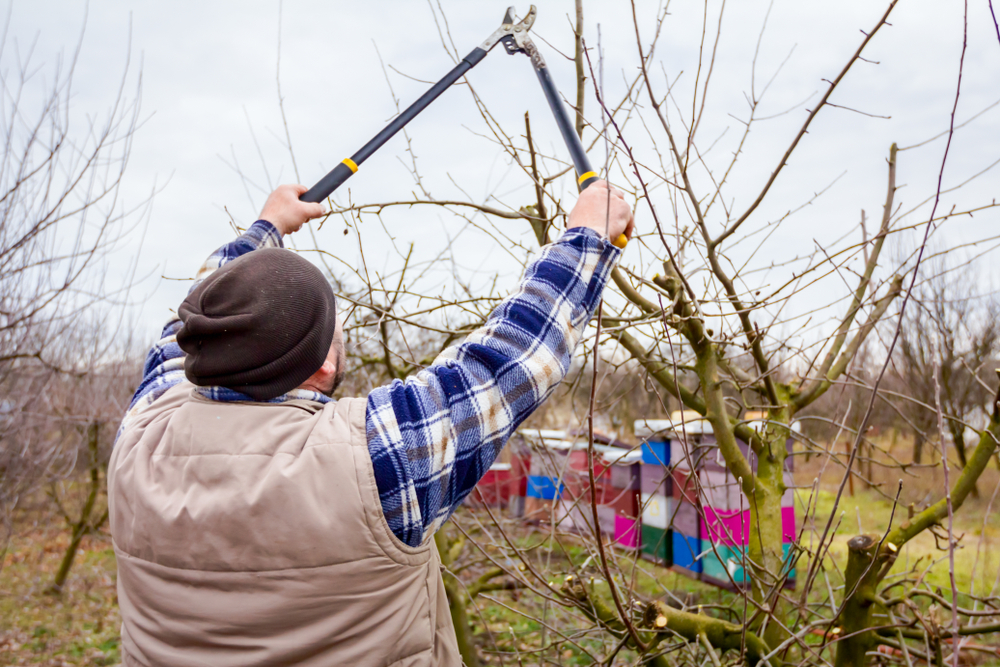
If you’re growing your Serviceberry as a tree, there might come a day when it gets a little too tall for your liking. When that happens, it’s time for a “heading back” or “drop-crotch” cut. But be careful: you can’t just chop the tops off randomly. If you do, the tree will react by sending out a “witch’s broom” of messy new growth right below the cut. Do that for a few years, and your once-elegant tree will start looking like a chaotic mess.
Instead, manage the height like this:
- Start by thinning out the interior branches first.
- When you want to shorten a branch, cut it back to a younger side branch that is pointing outward.
- Prune away any heavily branched stems coming from the base.
By using this method, you aren’t just “topping” the tree. You’ll maintain a natural shape without leaving a big, awkward hole in the middle of your canopy.