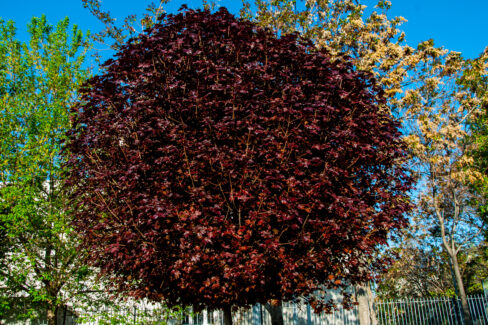
As a general rule of thumb, you want to prune your Crimson King Maple (or any Blood Maple) as little as possible. These beauties are notorious “bleeders,” meaning they lose a lot of sap when cut, which can open the door for nasty diseases. However, that doesn’t mean you can’t ever pick up the shears! With the right timing and technique, pruning is totally doable—and sometimes even necessary.
When it comes to pruning, less is definitely more
Blood Maples are a bit sensitive when it comes to getting a haircut. Like all maples, they bleed heavily, and those open wounds are like an invitation for pathogens that can weaken or even kill the tree.
Another thing to keep in mind: Blood Maples don’t typically sprout from old wood. If you get too aggressive with the pruning, you might end up with a stunted tree rather than a lush one.
So, why prune at all? Here are a few good reasons:
- To clear out dead branches or twigs.
- To remove diseased sections before they spread.
- To encourage a bushier, fuller shape.
- To keep the tree manageable if you’re growing it in a large container.
Tips for a successful trim
If you’re ready to prune, follow these steps to keep your tree happy:
- Timing is everything: Always wait for the right season (more on that below!).
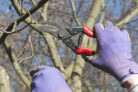
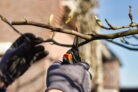
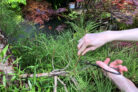
- Keep it clean: Use sharp, sterilized pruning shears to ensure clean cuts.
- Seal the deal: Use a wound dressing or pruning sealer from your local garden center to help the tree heal.
- Avoid the old wood: Try not to cut back into the old, thick wood. If you absolutely have to, be extremely careful.
- Leave a “stub”: Never cut a branch perfectly flush with the trunk. Leave a tiny bit of the shoot behind; it will dry up naturally on its own.
- Watch the buds: Always make your cut a few centimeters above a bud. This gives the tree a clear starting point to push out new growth.
Choosing the right time
Because of that heavy sap flow I mentioned, you should never prune a Blood Maple during its active growing phase. The sap pressure is just too high, and you won’t be able to stop the “bleeding.”
You should also keep the shears in the shed during late autumn, as the risk of infection is much higher then.
The “Goldilocks” window is early spring. Look for a stretch of frost-free days right before the leaves start to bud out.
If you notice dead wood, you can carefully snip that away any time of year. And here’s a pro tip: give the roots a very light trim just before planting to help them soak up water and nutrients more efficiently!