Maples are a bit sensitive when it comes to pruning. For the most part, they prefer to be left alone, but every now and then, you might need to break out the shears. To make sure your tree stays happy and healthy, timing is everything. You’ll also want to brush up on a few basic rules before you start clipping away.
When should you prune a maple (and when should you skip it)?
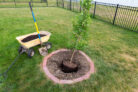
Maples aren’t exactly big fans of being pruned, so it’s best to only do it when absolutely necessary. Luckily, they naturally grow into beautiful, picturesque shapes all on their own. The only time a young maple really *needs* a haircut is during planting (if it’s bare-root) or after transplanting to compensate for root loss. In those cases, cutting it back by about a third helps it settle in.
Otherwise, you can usually just let your maple do its thing. You’ll only need to prune if you’re growing it as a hedge or if you’re aiming for a very specific canopy shape. Pruning can also be a lifesaver if the tree gets sick, as removing infected branches helps stop the spread. And, of course, removing dead wood is a must for any tree, maples included.
The best time of year to prune
Maples have a very heavy sap flow throughout most of the year, especially during the peak growing season. There’s a small window in the fall when the sap slows down, though it never stops completely. To prevent your tree from “bleeding” too much, autumn is the prime time for pruning. Try to wrap things up by January at the latest, because early-blooming varieties start building up sap pressure again as soon as late winter hits. Aim for a mild, frost-free day that isn’t too rainy or scorching hot.
Springtime exceptions
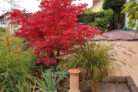
When it comes to timing, the Asian Laceleaf Maple is the exception to the rule. These beauties actually handle pruning better in the spring, right after they’ve finished overwintering and just before the new buds pop.
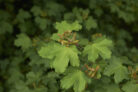
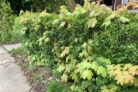
Then there’s the Hedge Maple (Field Maple), which is a popular choice for privacy hedges. If you want to keep a hedge looking sharp, a once-a-year fall trim won’t cut it. Fortunately, the Hedge Maple is the most resilient of the bunch. You can prune it up to three times a year:
- In the fall
- In early spring
- In June
Keep your tools sharp and clean
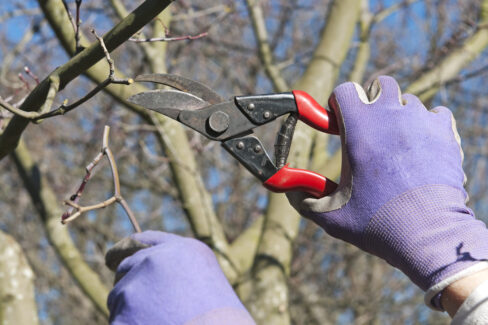
Maples are unfortunately prone to fungal infections, and the last thing you want is for your pruning shears to spread disease. Always disinfect your tools before you start. You should also make sure your blades are razor-sharp; clean cuts heal much faster than jagged, torn ones. Pro tip: Wear gloves and long sleeves to protect yourself from any sticky sap.
Essential pruning rules to follow
When pruning a maple, your main goal is usually removing dead or crossing branches. However, if the tree is getting too big for its britches, you might need to cut back healthy wood too. Keep these rules in mind:
- Cut just a few millimeters above a “sleeping” bud or a leaf node.
- Make your cut at a slight angle so rainwater and sap can slide right off.
- Try to only cut back into one-year-old wood.
That last point is a big one! If you cut too deep into old wood, the maple often won’t grow back from that spot, which can leave your tree looking a bit patchy.
Quick Tip:
If you’re cutting off diseased branches, never throw them in your compost pile. Fungal spores can survive the composting process and reinfect your garden later. Toss those clippings in the regular trash or your local yard waste bin instead.
How to handle thick branches
If you need to take down a heavy limb, don’t try to do it in one go. If it snaps prematurely, it can strip the bark right off the trunk. Use the three-cut method:
1. About 12–20 inches away from the trunk, make an undercut (from the bottom up) about halfway through the branch.
2. Move another 4 inches further out and saw from the top down until the branch falls.
3. Finally, clean up the remaining stub by cutting it close to the “branch collar” (that slightly swollen area where the branch meets the trunk).
4. Smooth out the cut, but don’t use wound sealer—trees heal better on their own!
Quick Tip:
Be careful not to nick the branch collar, but don’t leave a long “coat hanger” stub either. Stubs are an open invitation for rot and disease in maples.
Managing the roots
Maples are shallow-rooted trees, meaning they grow a dense mat of roots right near the surface. This can make it tough for other plants to grow nearby. If you have to trim back some intrusive roots, never take more than a third. Since open root wounds are a gateway for Verticillium wilt—a nasty fungus that can kill the tree—installing a root barrier is usually a much safer bet than reaching for the shovel.