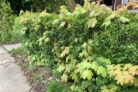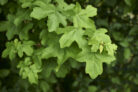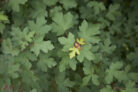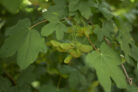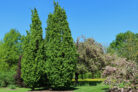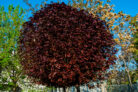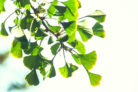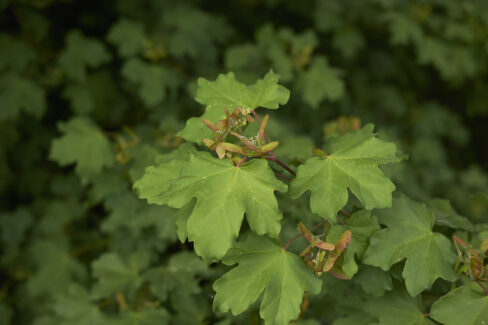
The Hedge Maple (Feldahorn) is a real superstar in the garden—it looks just as stunning standing alone as a specimen tree as it does when planted as a lush, private hedge. To keep that beautiful shape looking its best, a little grooming is definitely in order. If you’re wondering how to prune your tree without stressing it out, I’ve got you covered. Just follow these simple tips!
When is the best time to prune?
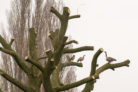
Once you’ve planted your Hedge Maple, you’ll notice it’s a pretty fast grower. Sometimes that speed can make the canopy look a bit wild compared to its tidy “younger” days. Pruning is the secret to maintaining that gorgeous silhouette, but timing is everything if you want to keep the tree healthy.
The “sweet spot” for pruning is usually February or March. During this window, the sap isn’t flowing as heavily, which helps the “wounds” heal much faster. If your spring is too busy, your next best bet is late fall right after the leaves have dropped. If you just need a quick touch-up or a light trim to keep the shape, you can do that between June and July. Pro tip: Try to pick a cloudy day for pruning to avoid stressing the fresh cuts in the hot sun!
How to prune your Hedge Maple like a pro
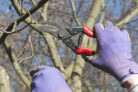
Before you start, grab a pair of sturdy gardening gloves and make sure your pruning shears or saw are nice and sharp. You’ll also want to give your tools a good cleaning first—this prevents any nasty bacteria or fungi from hitching a ride into the fresh cuts. Getting the technique right is key for the overall growth and health of your tree.
Step-by-step pruning guide:
- Start about four inches (10 cm) away from the main trunk and make a small undercut (about an inch deep) on the branch.
- Next, place your saw on the top side of the branch, slightly further out than your undercut.
- Saw through from the top until the branch drops away cleanly.
- Finally, saw off the remaining “stub” flush with the branch collar (the slightly swollen area where the branch meets the trunk).
After you’ve made your cuts, use a sharp knife to smooth out any ragged edges on the wood. For larger branches, it’s a smart idea to apply a tree wound sealer. This acts like a bandage, helping the tree heal and preventing fungi from moving in while the wood is vulnerable.