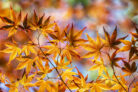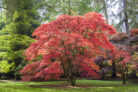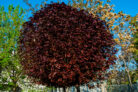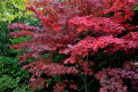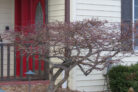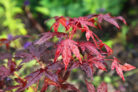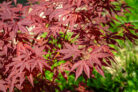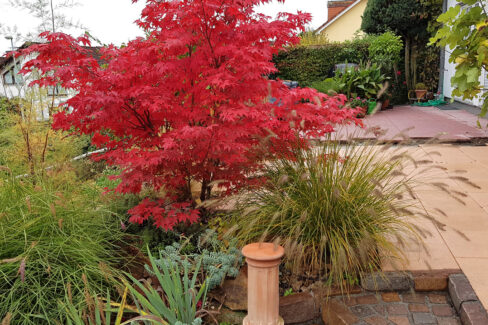
Japanese Maples are easily some of the most beloved trees for landscaping, and it’s not hard to see why. Their stunning foliage—especially the vibrant Red Japanese Maple—makes them a total standout in any yard. Plus, they’re incredibly versatile; you can grow them as majestic focal points or keep them tiny as delicate bonsai. If you’ve been wondering how to keep yours looking its best, here’s the lowdown on how to prune your Japanese Maple the right way.
Does a Japanese Maple actually need pruning?
Generally speaking, many gardeners advise against pruning maples because they tend to “bleed” a lot of sap from cut sites. If you go at them haphazardly, it can cause some real issues for the tree. The Japanese Maple is no exception, but here’s the good news: this variety actually handles pruning better than most of its cousins. In fact, giving your Red Japanese Maple a regular trim can actually be a great way to keep it healthy and shapely.
Timing is everything
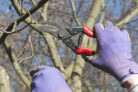
When it comes to pruning your Japanese Maple, timing is the secret sauce. Your best bet is to head out with your shears between May and June. At this point, the tree is waking up from its winter nap and won’t bleed nearly as much as it would in the heat of mid-summer. Plus, pruning in late spring gives the tree plenty of time to heal up before the winter chill sets in.
How to prune your Red Japanese Maple
The golden rule for Red Japanese Maples is to avoid cutting into old wood. When you’re ready to prune, stick to the “new growth”—the branches that have grown within the last year. These fresh shoots are where the tree will sprout new life. If you cut back into older, thicker branches, they likely won’t grow back.
Here’s your quick checklist for making the cut:
- Avoid cutting into wood that is two years or older.
- Trim the shoots just a fraction of an inch above a bud.
- Make sure your cuts are clean and smooth.
Aim to cut about half an inch (two centimeters) above a bud. This is where the magic happens—new growth will sprout quickly from these spots, leading to that beautiful, dense branching we all love. Once you’re done, it’s a good idea to apply a wound sealer to the fresh cuts.
Safety measures for a healthy tree
To keep your tree from getting “sick” after its haircut, you need to take a few precautions. First off, use a very sharp tool to ensure the cut is perfectly smooth rather than jagged. Before you even touch the tree, give your shears or saw a good soak in disinfectant. Do the same once you’re finished to make sure you aren’t spreading any lingering germs or dirt.
Here’s what you’ll need in your gardening kit:
- Sharp pruning shears or a garden saw
- Disinfectant (like rubbing alcohol)
- Tree wound sealer
Applying a wound sealer right after pruning helps stop the sap from bleeding out. More importantly, it acts like a bandage, protecting the tree from bacteria and diseases that might try to move in. If you follow these steps, your Japanese Maple will bounce back with gorgeous new growth and a stunning shape!