At the very latest, you’ll need to grab your shears when you notice wild suckers sprouting below the graft union of your Japanese columnar cherry. But honestly, you don’t have to wait that long! Pruning early on helps you shape the tree, keeps it healthy, and ensures you get those gorgeous blossoms and a great harvest.
When should you start pruning?
You’ll want to be a little patient at first, as Japanese columnar cherries can be a bit sensitive to early pruning. Wait at least three years after planting before you make your first cuts. However, don’t wait much longer than that to start shaping it. A good rule of thumb: go for light, frequent trims rather than one massive chop. These trees don’t always handle radical pruning very well.
I recommend a light thinning in the spring and a more structural “training” prune in the fall. Always prioritize removing any branches that show signs of disease. While some columnar fruit trees do well with a winter haircut, the Japanese cherry isn’t one of them. Let it rest during the winter and stick to your spring and fall routine.
Why prune a Japanese columnar cherry anyway?
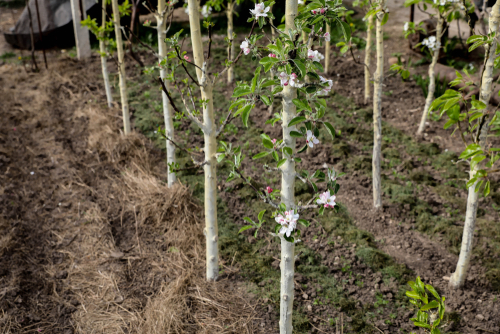
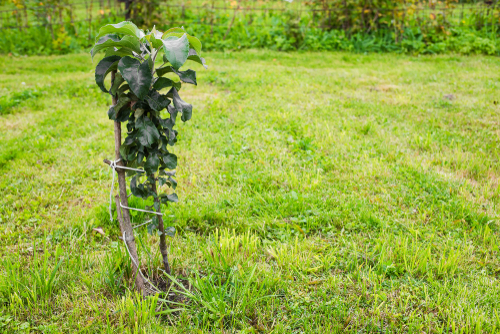
You’d think a tree with “columnar” in the name would just grow perfectly straight on its own, right? If only! To keep that sleek, narrow look, it needs regular pruning. Luckily, the maintenance isn’t too intense. Usually, you’re doing a mix of shaping and maintenance all at once. Here are the main reasons to prune:
- The tree is getting too wide.
- It’s growing taller than you’d like.
- You spot signs of disease or fungus.
How to prune your Japanese columnar cherry the right way
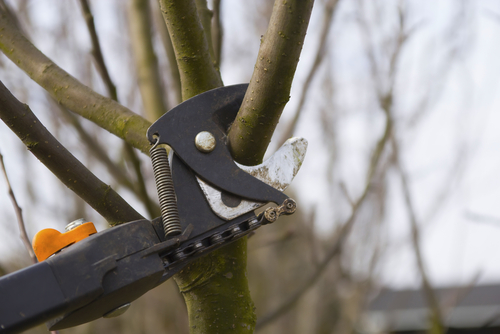
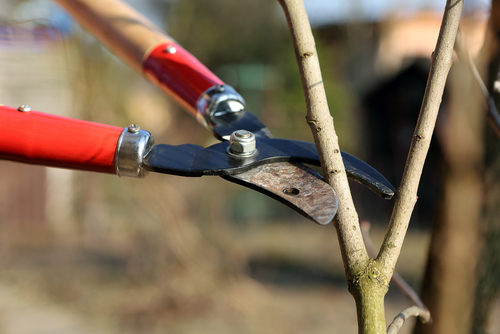
Before you start, make sure your tools are sharp and—this is super important—clean or disinfected. Japanese columnar cherries are unfortunately a bit prone to pests and diseases. Using sanitized tools helps prevent infections in the trunk and branches. Use loppers or a pruning saw for larger cuts, while standard garden shears are fine for thin twigs. If you’re removing thicker branches, make sure to cut them close to the main trunk.
During your spring thinning, go ahead and remove any old, dead, or bare shoots. One pro tip: make sure your tree stays well-watered after pruning, especially if the weather is dry. Pruning can be stressful, and you don’t want those roots drying out while the tree is trying to recover!