title: Pruning Currant Standards: How to Keep Your Tree-Form Berries Happy
Regular pruning is a total must if you want a healthy harvest of currants. While most people grow them as traditional bushes, “standards”—which are basically little currant trees—are a fantastic alternative. These tree-forms offer some great perks and are almost always grown using grafted plants.
Stick with Grafted Varieties
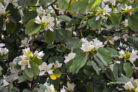
Trying to train a regular currant bush into a tree shape from scratch is a massive headache. That’s why nearly all tree-form currants you’ll find are grafted. Usually, growers graft the fruiting variety onto “Golden Currant” (Ribes aureum) rootstock. While you wouldn’t typically grow Golden Currant for its fruit, its sturdy, upright growth makes it the perfect “trunk” for your berries.
Pretty much any currant variety can be grafted onto this rootstock, usually at a height of about 30 inches (80 cm).
A Great Space-Saver
If you’re working with a small backyard or a tight patio, tree-form currants are a game changer. They take up way less ground space than a sprawling bush, making them the perfect choice if you want to grow currants in pots.
Pruning in Early Spring
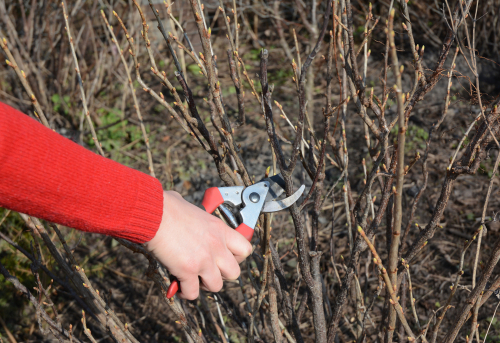
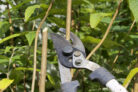
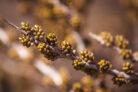
The best time to give your little tree a haircut is late February through March. You want to get out there before the leaves start popping out. This makes it super easy to spot any frost damage or dead tips that need to be snipped off.
Without the foliage in the way, you can also clearly see which branches are crossing or crowding each other out. Even though some people think currants like the shade, they actually crave the sun! To get those big, juicy, flavorful clusters, they need a sunny spot in your garden.
Don’t Be Afraid to Cut Back
When it comes to pruning a currant standard, don’t be shy—fortune favors the bold! The basic rules are the same as pruning a bush: currants produce the best fruit on wood that is two or three years old. Anything older than that should be cut out to make room for fresh growth.
One extra chore with standards is dealing with “suckers”—those little shoots that pop up from the roots. Once they hit about 8 to 12 inches tall, just pull them off. If you’re feeling ambitious, you can actually use these suckers to propagate new plants to use as future rootstock. Plus, since the Golden Currant rootstock has beautiful yellow flowers, it actually makes a pretty nice ornamental shrub on its own!