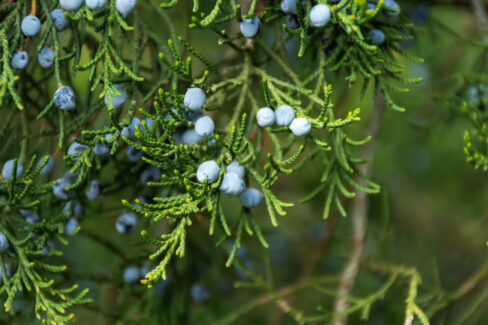
For the most part, juniper is a super tough, resilient evergreen that rarely runs into trouble with pests or diseases. But every once in a while, even the hardiest plant can get hit by a fungal infection. If your juniper is looking a little under the weather, here’s what you need to know and how to handle it.
Potential Fungal Diseases
It’s pretty rare to see signs of disease on a juniper. Often, if you see needles dropping or branches changing color, it’s actually due to a poor planting site or a hiccup in your care routine. However, if a fungus is the culprit, it’s usually one of these three:
- Pear trellis rust
- Tip blight (dieback)
- Root rot
Pear Trellis Rust
You’ll know you’re dealing with pear trellis rust if you see elongated, weird-looking growths on the inner branches. These growths house fungal spores that take flight in the spring. They catch a breeze and head straight for the leaves of nearby pear trees—which is exactly how the fungus got its name!
To stay ahead of it, you can use a natural plant tonic. A mix of horsetail and stinging nettle tea works wonders to strengthen the juniper from the inside out. If you already see an infection, prune away all the affected branches immediately. If the plant is completely covered in growths, it might be best to remove it entirely to save your other plants.
The good news? Not all junipers are susceptible. If you want to play it safe, choose resistant varieties like:
- Common Juniper (*Juniperus communis*)
- Creeping Juniper (*Juniperus horizontalis*)
- Flaky Juniper (*Juniperus squamata*)
Tip Blight
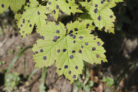
Tip blight is another fungal issue, and it’s pretty easy to spot: the tips of the branches turn brown, and you might see tiny black dots on the stems. If this pops up, grab your shears and cut back all the damaged growth. Make sure to cut well into the healthy wood to ensure you’ve removed all the fungal threads. Afterward, it’s a good idea to treat the plant with a fungicide. To prevent it from coming back, make sure your juniper is well-fed and strong.
Root Rot
Technically, root rot starts with environmental issues, but fungi love to move in and speed up the decay. The best defense here is a good offense: make sure your soil drains well and use a loose substrate. Junipers hate “wet feet,” so avoid standing water at all costs. This is a particularly common issue for junipers in containers or those grown as bonsai, where water can easily pool at the bottom of the pot.