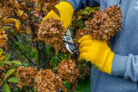
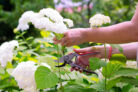
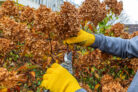
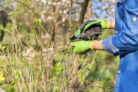
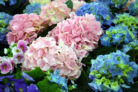
Hydrangeas are the ultimate low-maintenance garden stars, bringing those stunning, massive blooms to your yard with very little effort. But when it comes to pruning, things can get a little confusing. If you’ve been wondering whether you should be deadheading or trimming your hydrangeas during the summer, I’ve got you covered with everything you need to know to keep your plants happy.
Know Your Pruning Groups
The most important thing to understand is that not all hydrangeas are created equal when it comes to pruning. It all comes down to how they set their buds. Some varieties bloom on “new wood” (fresh growth from this year), while others only bloom on “old wood” (stems from last year). If you give those old-wood varieties a radical haircut, you’ll accidentally chop off next year’s flowers! Luckily, most Hydrangea varieties are pretty forgiving.
While most people focus on pruning in the fall or spring, summer pruning is actually a great tool. If you do it right, you can actually encourage a longer blooming season and keep the plant looking tidy. Plus, those summer clippings are perfect for drying! Dried hydrangea blooms make gorgeous, globe-like decorations for your home.
How to Prune Your Hydrangeas in the Summer
Here’s the good news: unlike the heavy pruning we do in spring or fall, you don’t really need to worry about “pruning groups” during the summer. You can give any hydrangea a light trim in the warmer months, as long as you’re careful. Summer pruning is mostly about deadheading spent blooms and doing a bit of light shaping.
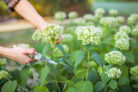
Here is the best way to trim back those flower heads:
- Use your fingers to pinch off the flower head on the stem right below the bloom.
- Gently twist the wilted flowers away from the plant.
By removing the old, faded flowers, you’re helping the hydrangea redirect its energy away from seed production and back into the plant itself. In many cases, this can actually trigger the plant to bloom even longer! Once fall rolls around, you can stop deadheading and leave the faded blooms on the plant. They actually provide a bit of natural winter protection for the buds. Just keep in mind that this “leave them be” strategy is best for varieties that you plan on pruning in the spring.