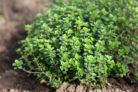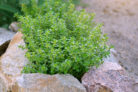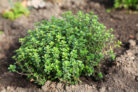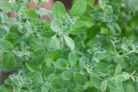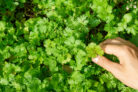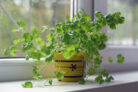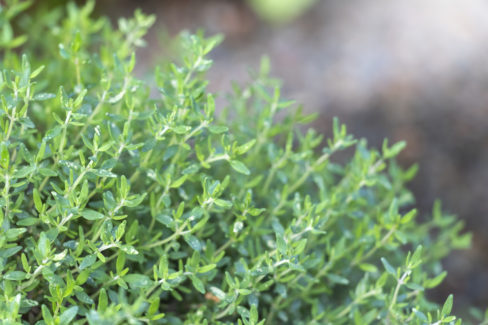
Lemon thyme is a total game-changer for any herb garden. Between that incredible citrus scent and the way it levels up your cooking, it’s definitely a plant that gives back. But if you want to keep your lemon thyme healthy and vibrant, you’ve got to stay on top of pruning.
Make the Most of Your Harvest
Have you noticed your lemon thyme starting to look a bit woody or sparse at the bottom? That’s totally normal, but regular trimming is the best way to fix it. I always recommend using your harvest time as an opportunity to give the plant a little “haircut.” By consistently shortening the stems, you prevent the plant from turning into a bunch of tough, leafless sticks.
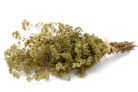
Don’t be shy about harvesting more than you think you’ll use for dinner tonight! Lemon thyme is super easy to preserve. My favorite method is air-drying it. Unlike some other herbs that lose their punch when dried, lemon thyme actually gets even more intense.
Tips for the Perfect Cut
- Aim to prune in the early morning, just before the plant starts to flower.
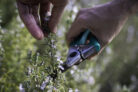
- Always use a clean, sharp knife or garden shears.
- Trim back all the branches evenly around the entire shrub.
- Make sure to leave some green growth on the plant—never strip it bare!
If you’re pruning outside of harvest time, just be careful not to cut into the old, brown wood. You can snip off dead stems right at the base whenever you see them. Remember: the more sunlight that reaches the center of the bush, the happier and bloomier it will be.
Springtime “Anti-Aging” for Your Herbs
Once the flowers fade and winter starts knocking on the door, it’s time to cut the branches back by about half. Since lemon thyme is only moderately hardy, you’ll want to tuck it in with a thick layer of mulch or leaves to protect it from the deep freeze. As soon as the threat of frost has passed in the spring, grab your shears for a rejuvenation prune.
Go ahead and cut any dead or frost-damaged stems right down to the base. For the healthy branches, you’ll want to use a little finesse—cutting them back to about a hand’s width above the ground is usually the sweet spot. Finish it off with a nice helping of compost for fertilizer, and your lemon thyme will have all the fuel it needs for a gorgeous growing season.