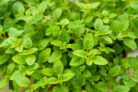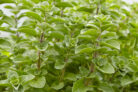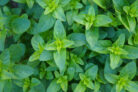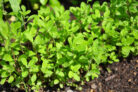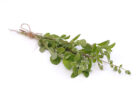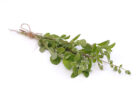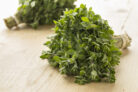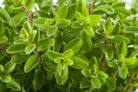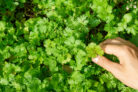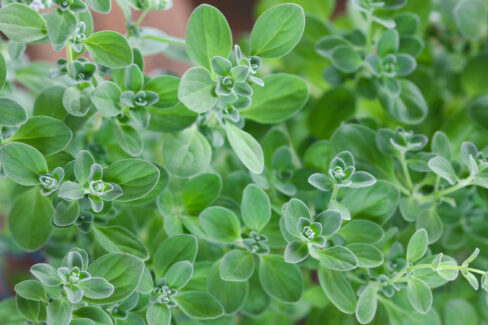
Throughout the summer, most of us are constantly snipping marjoram to toss into our favorite recipes. The great news is that regular harvesting actually encourages the plant to grow even better! However, sometimes your herbs need a little extra “maintenance” trim to stay in tip-top shape. And if you’re growing wild marjoram—better known as oregano—pruning is absolutely essential.
When to Start and Stop Trimming
In most parts of the U.S., sweet marjoram is treated as an annual because it just can’t handle a hard frost. It’s also a bit of a diva when it comes to overwintering indoors, so most gardeners find it easier to start fresh from seed every spring. You can start harvesting once the plant has established some sturdy stems, usually about 6 to 8 weeks after sowing. By then, the calendar should say June, and you can keep snipping away right up until the first frost of autumn.
The Best Tools for the Job
Marjoram stems are relatively thin, so you might be tempted to just use a kitchen knife. But even with a sharp blade, you risk fraying the ends. Your best bet is a sharp, clean pair of garden snips or kitchen shears. Whatever you do, don’t try to snap the stems off with your fingers—that can tug on the roots and damage the plant.
How to Prune Marjoram the Right Way
If you only need a tiny bit of flavor for a dish, it’s fine to pluck off a few individual leaves. But if you want a beautiful, bushy plant, you really need to cut the stems.
- You can harvest all season long.
- Don’t worry about the flowers; you can cut before, during, or after they bloom!
- Only cut as much as you need for your recipe.
- The best time to cut is on a sunny morning after the dew has dried.
- Only take the top third of the stems.
- Handle the sprigs gently to keep those essential oils (and that amazing smell) intact.
- Place them loosely in a basket rather than stuffing them into a bag.
The Big Harvest and Maintenance Pruning
If you’re planning to dry or freeze your herbs for the winter, timing is everything. You want to wait for the peak flavor window, which is right before the flowers open. This is key because drying causes some flavor loss, and freezing loses even more. For a big harvest like this, you can cut the stems back to about a hand’s width above the ground.
Maintenance pruning is for those times when your regular cooking harvests aren’t keeping up with the plant’s growth. The goal is to force the plant to branch out and get bushy, which maximizes your future yield. Since two new shoots will grow from every one you cut, a quick trim of the top third of the plant will keep it productive and tidy.
Pruning Oregano
Oregano (often called Wild Marjoram) is the hardy cousin of sweet marjoram. It’s a perennial in many zones, but it can grow so vigorously that it starts bullying the other herbs in your garden. To keep it in check, you should cut oregano back close to the ground at least once a year—if not more often!