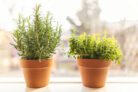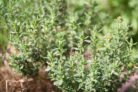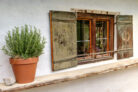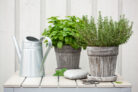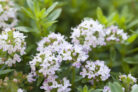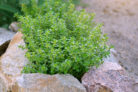
If you want your thyme to stay vibrant and healthy, getting the soil right is step number one. If the substrate isn’t a good match for its needs, you’ll notice stunted growth pretty quickly—and in the worst-case scenario, your favorite kitchen herb might even kick the bucket.
What kind of soil does thyme actually like?
Thyme is native to the Mediterranean, which means it thrives in spots where many other herbs would struggle to survive. To keep your thyme happy, aim for soil that is:
- Sandy
- Well-draining
- Lean (low in nutrients)
- On the drier side
- Neutral to slightly alkaline
Because thyme has deep roots, it’s usually pretty good at sourcing its own water and nutrients once established. You really only need to worry about regular watering and fertilizing if the plant is brand new or living in a pot. For garden plants, only grab the watering can during long, intense heatwaves, and keep the fertilizer light—stick to organic options and don’t overdo it.
How to prep your soil for planting
Prepping the ground properly makes it much easier for young thyme to establish its root system. Plus, getting the balance right from the start ensures your perennial herb will thrive for years to come.
- Pick your spot. Thyme loves hanging out with other Mediterranean herbs.
- Dig a planting hole. It should be at least 8 inches (20 cm) deep; going a bit deeper doesn’t hurt!
- Mix your excavated soil with sand or fine gravel at a 1:1 ratio.
- If you’re dealing with heavy clay soil, toss in some expanded clay pebbles for extra aeration.
- Fill the hole back up with your custom mix.
- Give the soil a good hoeing to keep it loose.
- Go ahead and plant your thyme.
The right soil for potted thyme
If you’re growing thyme in a container, sandy, well-draining soil is a must. You need a drainage hole at the bottom so excess water can escape—thyme hates “wet feet.” I recommend adding a drainage layer (like rocks or clay shards) at the bottom of the pot to help water flow. If you can, skip the saucer under the pot. If you do use one, make sure to empty any standing water immediately.