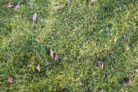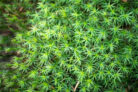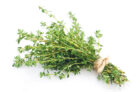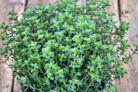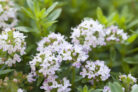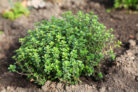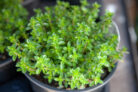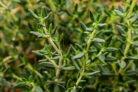
Thyme is famous for being “foot-traffic tolerant,” and you’ll often hear it pitched as a cool alternative to a traditional lawn. But what does “foot-traffic tolerant” actually mean in the gardening world? Let’s dive into how much walking your thyme can really handle and where it fits best in your yard.
What Does “Foot-Traffic Tolerant” Actually Mean?
When we call a plant foot-traffic tolerant, we mean it’s a tough cookie that won’t wither away just because someone stepped on it. Many groundcovers fall into this category. While they don’t mind the occasional stroll, they usually aren’t quite as bulletproof as a classic grass lawn where kids might be playing a high-energy game of soccer. Of course, some plants are tougher than others—and that goes for different varieties of thyme, too.
Are All Thyme Varieties Tough Enough to Walk On?
Generally speaking, thyme is considered a hardy, walkable herb. However, some varieties are definitely more rugged than others. The best candidates are the low-growing types that work perfectly as groundcovers. If you’re looking to plant a walkable carpet, keep an eye out for these:
- Creeping Thyme (Sand Thyme)
- Magic Carpet Thyme
- Woolly Thyme
- Lemon Thyme
- Caraway Thyme
Why Should You Plant Walkable Thyme?
We’ve all got those awkward spots in the garden where a lawnmower just won’t fit. These are the perfect places for a “scented lawn” made of thyme. Not only does it smell amazing, but bees and bumblebees will absolutely love you for it! Thyme is also a fantastic choice for filling the gaps between paving stones. Since it’s not picky about nutrients and doesn’t need much water, it thrives in those tight, rocky spaces.
How Do You Plant a Thyme “Scented Lawn”?
To get the best results, pick a spot that is warm and gets plenty of sun—thyme is a total sun-worshipper. When planting your groundcover, space the individual plants about 6 to 8 inches apart. Spring is the ideal time to get them in the ground. While most thyme is pretty hardy, it’s a good idea to give it a little extra protection for overwintering by covering it with a layer of leaves, brushwood, or straw.