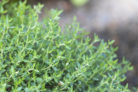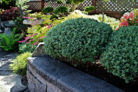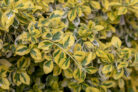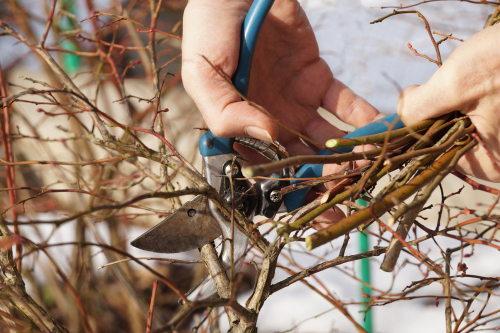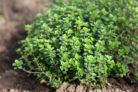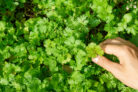
Generally speaking, thyme is a hardy perennial that can stick around in your garden for years. But if you want to keep it happy and flavorful, you’ve got to give it a little TLC. Pruning is a huge part of that, and there are a few good reasons why you shouldn’t skip it.
Why do you need to prune thyme?
If you just leave thyme to its own devices, it’ll eventually get leggy and bare at the base. Even if you’re harvesting sprigs regularly for the kitchen, that’s usually not enough to keep the plant in tip-top shape. Here are the three main reasons to grab your shears once a year:
- It encourages bushy, compact growth.
- It prevents the plant from getting too woody.
- It rejuvenates the herb so it stays fresh and productive.
When is the best time to prune?
After planting your thyme, you’ll want to give it its first real trim the following spring. From then on, aim for a “maintenance prune” every year—either in early spring just before it starts blooming, or in mid-summer. If you’ve got a neglected plant that needs a serious “rejuvenation prune,” the best window is between late February and early March.
How do you prune thyme correctly?
The way you cut depends on how old the plant is and how woody it’s become. Gardeners usually talk about three different types of pruning:
- Initial planting prune
- Maintenance prune
- Rejuvenation prune
The planting prune for young thyme
This first trim is all about setting your thyme up for success by encouraging it to branch out and grow nice and thick. It’s mostly for young plants. First, snip off any damaged bits—whether they’re broken or suffered a little frostbite. Then, cut back all the stems by about a third or even a half. If a branch looks a bit weak, give it a harder prune; if it’s a super vigorous young plant, just pinching off the tips is usually enough.
The maintenance prune
Common thyme is one of those herbs that turns woody pretty fast. To keep your harvest lush and flavorful, you should give it a maintenance trim once a year. This also helps keep that pretty, rounded shape. Here’s how to do it:
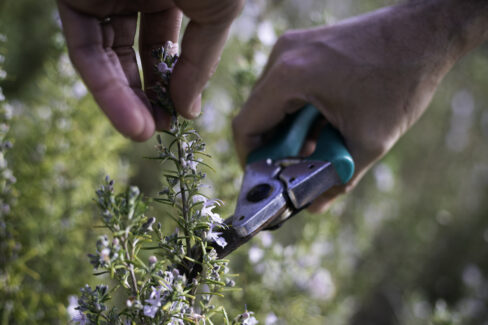
- Make sure your shears or scissors are sharp and clean.
- Cut back all the stems by about one-third to two-thirds of their length.
- Pro tip: Only cut above the parts of the stem that still have leaves.
- To keep that nice mound shape, trim the outer stems slightly shorter than the ones in the middle.
- Don’t let those clippings go to waste! You can freeze them, dry them, or infuse them in oil.
Rejuvenating “woody” thyme
If you’ve inherited a neglected, woody thyme bush, don’t give up on it just yet! You can often save it with a rejuvenation prune, as long as there are still some green leaves left on the branches. Cut every single shoot back as close to the woody base as possible (but again, stay just above the green growth). If a branch is completely dead or totally wood with no leaves, go ahead and thin it out entirely. Afterward, give your thyme a little fertilizer to help it bounce back.