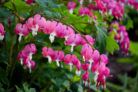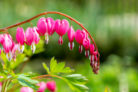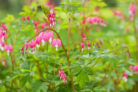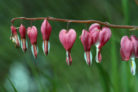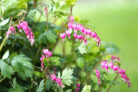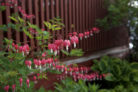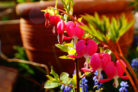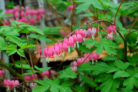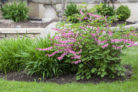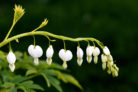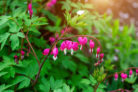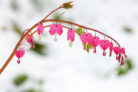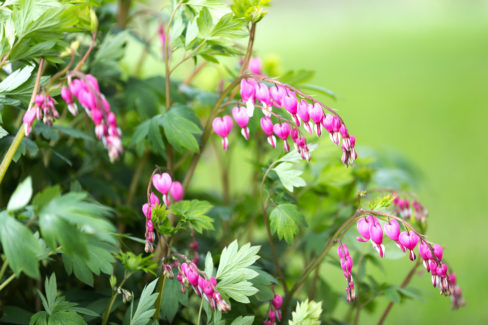
Bleeding Hearts (also known as *Lamprocapnos spectabilis*) are absolute superstars in the spring garden. They’re usually among the first perennials to pop up, and by May, they’re showing off those iconic, arching stems dripping with delicate pink hearts. We all want our plants to look their best, but a common question I get is: “Do I actually need to prune my Bleeding Heart to keep it blooming?”
To Prune or Not to Prune?
In a typical garden setting, Bleeding Hearts have a lovely, natural mounded shape with gracefully drooping stems. If you give them enough elbow room, they’ll pretty much take care of themselves—so a heavy-duty pruning isn’t strictly necessary. However, a little “cleanup” here and there can definitely help the plant look its best. You might want to grab your shears if:
- You want to deadhead: Removing spent flowers prevents the plant from wasting energy on seeds and can sometimes encourage a few more blooms.
- The foliage looks messy: Yellowing leaves can be an eyesore in an otherwise green garden.
- You want fresh flowers: They make gorgeous additions to indoor bouquets!
- The plant is getting too big: If it’s crowding its neighbors, a little trim is fine.
- You’re rejuvenating an old plant: Dividing or thinning out older clumps keeps them healthy.
- Disease strikes: If you spot a fungal infection, you’ll need to act fast to save the plant.
When is the Best Time to Cut?
If you’re just cutting flowers for a vase or deadheading old blooms, you can do that anytime during the spring. If you notice any signs of disease, don’t wait—cut the affected stems all the way back to the base immediately so it doesn’t spread to the rest of your garden.
As the weather warms up, Bleeding Hearts naturally start to go dormant. You can trim back the yellowing leaves then, but you don’t *have* to; the plant will eventually wither away on its own.
If you’re looking to propagate your plant, you can take stem cuttings after the flowering season is over. For those who want to try root cuttings, wait until late fall or winter when the plant is fully dormant.
One golden rule: Don’t prune too early! The plant needs its leaves to gather energy for next year’s growth. If you cut it back while it’s still green and vibrant, you might end up with very few flowers (or none at all) next spring.
One last tip from a safety perspective: Always wear gardening gloves when working with Bleeding Hearts. The entire plant is actually toxic, and the sap can cause skin irritation for some people. It’s also a good idea to clear away any clippings right away to keep curious pets or kids safe!