In the summer, we love our geraniums for that lush, explosive growth that turns our balconies into a sea of color. But when winter rolls around, finding space for those big, bushy plants indoors can be a real headache. To help your geraniums survive the cold months in cramped quarters, a heavy pruning is absolutely essential.
When is it time to prune?
Technically known as *Pelargoniums*, these South African natives are definitely not fans of the frost. If you’re lucky enough to have a massive, bright space for them, you can actually overwinter geraniums right in their window boxes. In that case, you only need a light trim—just deadhead the spent blooms, remove damaged stems, and thin them out a bit. However, the following popular storage methods require a much more drastic “haircut”:
- Cramming several plants into one pot to save space
- The outdoor pit method
- Any bare-root storage
- Wrapping them in newspaper
- Or hanging them upside down
Timing and how much to cut
You want to wait as long as possible for your fall pruning, but you must get it done before moving them inside. Instead of circling a date on the calendar, keep a close eye on the local temperatures. Don’t wait until the first frost is knocking at the door; start prepping once the thermometer consistently stays in the low 40s (single digits Celsius). Usually, you’ll want to cut the plant back by about two-thirds. However, if you plan on doing a second “shape-up” in the spring when repotting, just take off about half for now.
How to prune your geraniums for winter
After you’re done, your geraniums are going to look like a “skeleton”—basically just a few bare sticks. It looks a little sad, I know! But this is vital for their survival. It saves space, makes winter maintenance a breeze, and removes the hiding spots for diseases and pests. Here is your game plan:
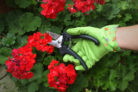
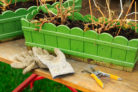
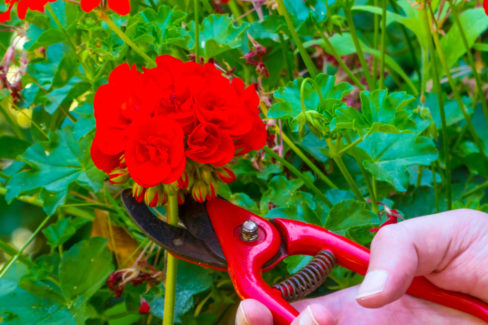
- Always use sharp, sterilized garden shears.
- Cut all main stems back to about 3 or 4 leaf nodes.
- The remaining stems should only be about 6 to 8 inches (15–20 cm) long.
- Remove any weak or spindly growth entirely.
- Strip off all remaining flowers, buds, and leaves.
- If you are taking them out of their pots, give the roots a trim too.
- Thin out the fine root hairs.
- Snip off any rotting or dead roots.
- Shorten the main taproots slightly.
Pro Tip:
Don’t let those trimmings go to waste! You can use any healthy stems you cut off as cuttings. It’s the easiest way to grow your own geraniums for next year without spending a dime.