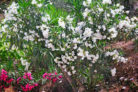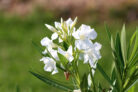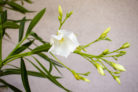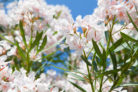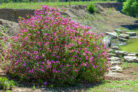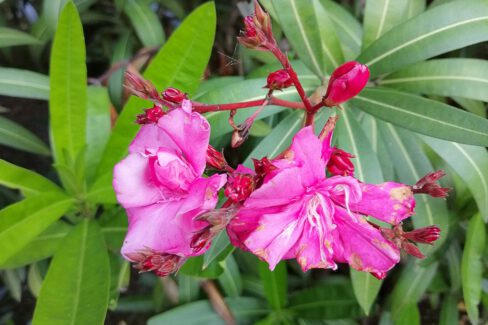
If you’ve got a gorgeous oleander in your garden, you know how much Mediterranean flair it adds to the yard. But when those blooms start to fade, you might be tempted to grab your pruning shears and go to town. Stop right there! Cutting off those old flower stalks is a big no-no if you want flowers next year. Here’s the lowdown on how to handle your spent oleander blooms the right way.
The Beauty of Oleander Blooms
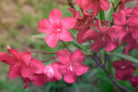
Oleanders are absolute rockstars when it comes to flowering. They treat us to stunning displays of pink, red, yellow, or white blossoms all summer long. Usually, the show starts as early as May or June and keeps going strong until the fall, with most flowers finally fading away in September.
Why You Should Put Down the Scissors
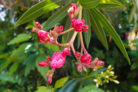
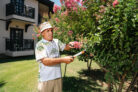
Once autumn rolls around and the flowers wither, they’ll eventually just fall off on their own. If the sight of dead blooms bothers you, you can definitely remove them—just don’t reach for the scissors or a knife. Here’s why:
- You’ll accidentally cut off the buds for next season.
- Your plant won’t bloom at all next year.
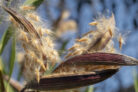
- The only things you should actually “cut” are the seed pods.
Where Next Year’s Flowers Come From
Unlike many other garden plants, oleanders develop their new flower buds right at the tips of the old shoots. If you snip off the old flower clusters, you’re essentially cutting away next year’s flowers before they even have a chance to grow. The result? A very green, but very flowerless, bush next summer.
The “Finger Method” Instead
To keep your plant looking tidy without ruining next year’s display, simply pluck the withered flowers off individually with your fingers. By gently pulling them away, you leave the delicate new bud sites underneath completely intact.
Don’t Forget the Seed Pods
While you want to be careful with the flowers, the seed pods are a different story. These look a bit like long green beans, and they actually drain a lot of energy from the plant. It’s a good idea to prune these off so your oleander can focus its strength on growth and future blooms rather than seed production.
Watch Out for Infections
Keep a close eye on those fading clusters, as they can sometimes be a magnet for diseases like Pseudomonas (oleander knot) or Ascochyta (fungal blight). These infections often start on the withered parts of the plant. If you notice any signs of disease, go ahead and break the “no cutting” rule—trim back the infected areas immediately to stop the spread and keep your oleander healthy!