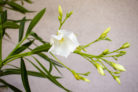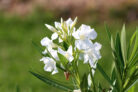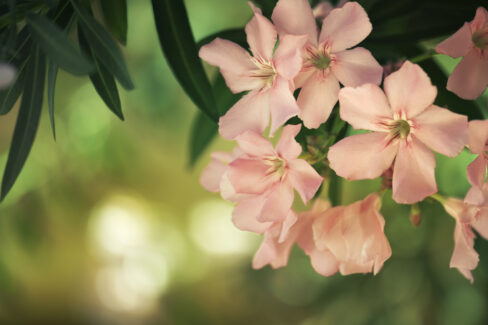
Oleanders are absolute showstoppers in the garden, mostly thanks to those gorgeous, lush clusters of flowers and a blooming season that seems to last forever. But what happens when your oleander decides to go on a “blooming strike”? If you’re staring at a bush full of green leaves but zero color, don’t panic. We’re going to walk through the most common reasons why your oleander might be shy about flowering and how to fix it.
The Magic of Oleander Blooms
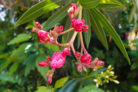
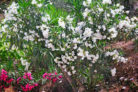
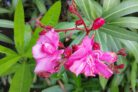
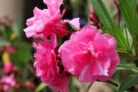
Most of us fall in love with oleanders because of those iconic pink blooms (though they come in other colors, too!). When they’re happy, they’ll put on a spectacular show that lasts pretty much all summer long.
Why Isn’t My Oleander Blooming?
Every once in a while, an oleander will either refuse to grow buds at all or, even more frustratingly, drop its buds right before they open. Usually, you can blame one of these four culprits:
- The wrong location
- Not enough food or water
- Pruning mistakes
- Pests or diseases (though this is less common)
Location, Location, Location
Oleanders are sun-worshippers. They want a spot that is as warm, bright, and airy as possible. They also have a bit of a preference for soil that’s rich in nutrients and slightly alkaline (chalky). If your plant is stuck in the shade, it simply won’t have the energy to produce those big, beautiful flowers.
Keep in mind that if we have a particularly cold or rainy summer, your oleander might just take the year off. These plants aren’t fans of chilly, damp weather, and sometimes there’s nothing you can do but cross your fingers for a hotter summer next year!
Thirsty and Hungry Plants
If there’s one thing to know about oleanders, it’s that they are incredibly thirsty and hungry. You never want the root ball to dry out completely. During a heatwave, you might even need to water your oleander a couple of times a day to keep it happy.
Feeding is just as important. During the blooming season, you need to fertilize regularly. If the plant is starving for nutrients, it’ll prioritize survival over flowers, leading to zero buds or “bud drop,” where the flowers fall off before they even get a chance to say hello.
Pruning Blunders
This is where many gardeners get tripped up. With a lot of plants, a good trim encourages more flowers—but oleanders are different. The new buds actually form right at the tips of the old flower stalks.
When you’re pruning, be careful! If you go in with shears and cut off the old flower stalks, you’re likely cutting off next year’s flowers, too. Instead of clipping them, just gently pluck away the withered flowers with your fingers or leave them alone to fall off naturally. Your plant will thank you!
Pests and Diseases
Most of the time, if your oleander isn’t blooming, it’s a maintenance or location issue. However, in rare cases, diseases or pests can sap the plant’s strength. It’s always worth giving your plant a quick once-over to make sure no uninvited guests are causing trouble.