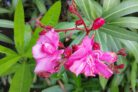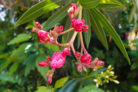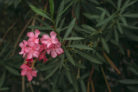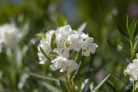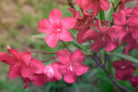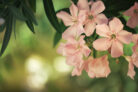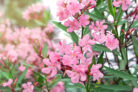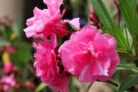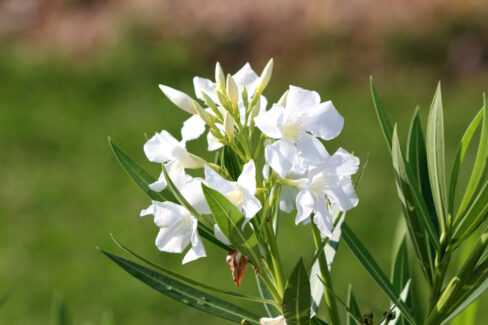
Every year, your oleander puts in the work to grow fresh new shoots and branches, which eventually lead to those lush leaves and stunning blooms we all love. If you want a plant that looks full and bushy rather than leggy, a little regular maintenance with your pruning shears is the way to go.
Pruning is the Secret to a Bushy Plant
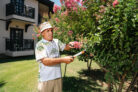
To keep your oleander from getting “bald” at the bottom and to encourage thick, healthy branching, you’ll need to stay on top of pruning. The best time to do this is either in the spring right after its winter nap or in the fall before you tuck it away for the season. When you prune, go ahead and remove any old or damaged wood, but always make sure to leave a few “eyes” (nodes) on the stem so the plant knows where to push out new growth.
If you’re dealing with a very old, overgrown, or sickly plant, don’t be afraid of a radical rejuvenation prune. In these cases, you can actually cut the entire plant back to just a few inches above the ground to give it a total fresh start.
Don’t Toss Those Flower Buds!
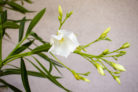
Here’s a pro tip: when you’re tidying up spent flowers, don’t cut back the tip of the branch. Oleanders are early birds—they actually start developing their new buds for next year right after the current flowers fade. These buds sit right at the tips of the shoots. If you snip off the ends of the branches mid-season, you’re accidentally cutting off next year’s flower show!
Dealing with Dry Shoots After Winter
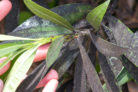
If you pull your oleander out of its winter quarters and it looks a bit crispy—especially if the branches themselves feel brittle and dry—you might be looking at “dry rot.” This is actually a fungal infection, not just a lack of water.
If you spot this, you’ll need to be aggressive. Cut back all the affected, dried-out parts until you hit healthy, green wood. This ensures you’ve removed all the fungal spores so the infection doesn’t spread.
Safety First: Oleander is Toxic
One quick heads-up: as beautiful as they are, every part of the oleander plant is toxic. When you’re pruning, the milky sap that leaks out can cause some nasty skin irritation or rashes. Always protect yourself by wearing gloves and long sleeves whenever you’re handling the plant. Stay safe while you garden!