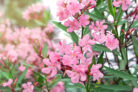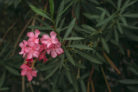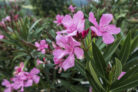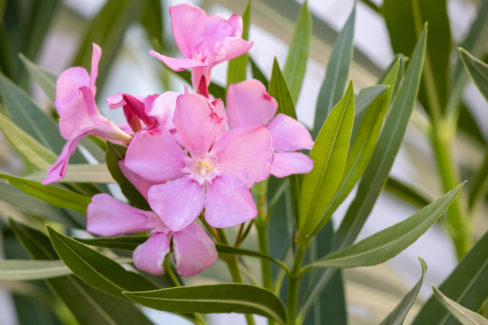
Oleanders are famous for being tough-as-nails and resilient, but even these hardy Mediterranean beauties can run into some trouble now and then. If your plant is looking a little under the weather, don’t panic! We’ve put together a guide to the most common oleander diseases and, more importantly, how to kick them to the curb.
Common Oleander Diseases
While pests are often the usual suspects, oleanders can also fall victim to several diseases—most of which are caused by fungi. Here are the main culprits you’re likely to encounter:
- Oleander Canker (Oleander Knot)
- Dry Rot (Ascochyta blight)
- Powdery Mildew
- Gray Mold (Botrytis)
Dealing with Oleander Canker
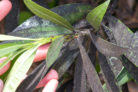
Oleander canker is probably the most common issue you’ll see, and it’s actually caused by a bacterium called *Pseudomonas*. Interestingly, these bacteria are already present in most oleanders, but they don’t always “break out” and cause symptoms.
Keep an eye out for these signs:
- Brown spots on the leaves or entire leaves turning brown.
- Flower buds and blossoms turning black.
- Thick, warty growths or “knots” on the stems.
Since the bacteria live inside the plant’s tissue, there isn’t a “cure” or a spray to prevent it from coming back. Your best bet is a radical pruning session. Cut the infected branches way back—all the way into the healthy wood—to stop the spread.
Dealing with Dry Rot
Just like canker, dry rot is caused by fungal pathogens. You’ll usually notice this when the flowers dry up and fall off prematurely. It tends to show up right after the plant comes out of winter storage or after a particularly wet, humid summer.
If the fungus is only affecting the parts of the plant above ground, a heavy pruning can save the day. However, if the dry rot has reached the roots, I hate to be the bearer of bad news, but the plant usually can’t be saved.
To prevent dry rot, you can use a fungicidal spray as a preventative measure. Also, a pro-tip: try to avoid pruning your oleander in the fall. The fresh cuts act like open doors for pathogens and fungi to enter during the damp winter months.
Dealing with Powdery Mildew
Powdery mildew usually shows up during those hot, dry summers. In the gardening world, we sometimes call this the “fair-weather fungus.”
The tell-tale sign is a white, flour-like coating on the leaves, flowers, or stems. You can actually rub it off with your fingers. Fighting this fungus drains a lot of the plant’s energy, which stunts growth and ruins the blooms. Eventually, the leaves turn brown, dry out, and drop off.
My favorite home remedy for this? Milk! Mix fresh whole milk with water at a 1:10 ratio and spray the affected areas regularly. Just make sure to use fresh milk (not UHT or long-life milk), because you need those live microorganisms to fight the fungus.
Dealing with Gray Mold
Gray mold (Botrytis) specifically targets the flowers. It can pop up while the plant is in winter storage or during very warm, wet summers. High humidity is this fungus’s best friend. To prevent it, never put your oleander away for the winter with wet leaves or flowers. In fact, it’s a good idea to pluck off any old blooms before moving it inside.
For prevention, you can use a specialized fungicide from your local garden center. Also, if you’re looking to buy a new plant, look for “self-cleaning” oleander varieties—they drop their old blooms naturally and are much less prone to gray mold.
The Universal Fix for Fungal Issues
If you’re dealing with a sick plant, there is one tool that almost always works: your pruning shears. Don’t be afraid to be aggressive. Always cut back past the diseased area into the healthy, green wood.
One very important reminder: Oleanders are toxic! Always wear gloves and protect your skin and eyes when pruning or handling the plant.
How to Prevent Disease
While preventative fungicidal sprays can help with certain issues, you can’t always stop a disease from moving in. The best defense is a good offense—keep your oleander as healthy and vigorous as possible. A strong, well-fed plant can handle a disease outbreak and a heavy pruning much better than a stressed one, bouncing back much faster.
Common Oleander Pests at a Glance
Besides diseases, oleanders are a magnet for certain pests. Here are the usual suspects:
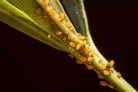
- Various types of aphids, especially the bright yellow oleander aphids, as well as mealybugs and scale.
- Spider mites.