To keep your oleander looking its best and full of blooms, regular pruning is a must. I’m going to walk you through exactly when to grab your shears and how to handle each type of cut to keep your Mediterranean beauty thriving.
The Different Types of Pruning
If you want to prune your oleander like a pro, it helps to know that not every cut serves the same purpose. Here are the main types you’ll encounter:
- Initial planting cut
- Structural pruning
- Shaping and maintenance pruning
- General grooming
- Rejuvenation pruning (for those older, leggy plants)
- Training for “standard” (tree-form) oleanders
The Planting Cut
The planting cut is all about encouraging new growth and making sure your oleander branches out nicely right from the start. This prevents the plant from getting “leggy” or bare at the bottom. This crucial step should be done in two stages:
- Right after planting, cut the main central shoot just above the third leaf whorl (counting from the bottom).
- The following spring, give the upper branches a light trim as well.
Structural Pruning
Structural pruning is how you build a strong “skeleton” for your plant. The best time for this is during the third and fourth years of growth—once in the fall before overwintering, and again the following spring in March or April.
Shaping and Maintenance Pruning
To keep a nice even shape and encourage a lush explosion of flowers, you’ll want to do some regular maintenance. This is best done either in the fall before you bring the plant in for winter, or in March as it wakes up.
During this time, remove any old or awkward branches and carefully deadhead faded flowers. Just a heads-up: be careful not to snip off the new buds! Oleanders actually set their flower buds for next year at the tips of the shoots during the previous season.
General Grooming
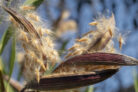
A little regular grooming keeps the plant looking tidy and can even stretch out the blooming season. You can do this whenever needed throughout the spring and summer growing phases. By consistently deadheading and trimming, you prevent the plant from wasting energy on seed pods, allowing it to focus on new buds and fresh green growth instead.
Rejuvenation Pruning for Older, Leggy Plants
If you have an old oleander that’s looking a bit sparse and woody, a rejuvenation cut can work wonders. The best time for this is early spring before the new growth starts. Don’t be afraid to be bold here! The more radically you cut it back, the more vigorously the oleander will push out fresh new shoots.
Training a “Standard” (Tree-Form) Oleander
If you want to grow your oleander as a small tree with a single trunk, you’ll need to start training it right after planting and continue before each winter. Strip away all the side shoots from the main central stem and tie that stem to a sturdy stake. To encourage height and trunk thickness, keep pinching off any new side growth. Once it reaches your desired height, snip the very top to encourage the “crown” to branch out.
Common Pruning Mistakes
If you skipped the initial planting cut, you’ll likely notice your oleander looks bare at the base. Don’t worry—just give it a good cut back the following year to fix it.
If an oleander is never thinned out, it can become a “skeleton” of leafless branches. To avoid this, do a thinning cut once a year to remove dead wood and any branches that are crossing or growing inward.
Using Ground Shoots for Propagation
If you want to propagate your oleander naturally, don’t chop off every single shoot near the ground. These low-growers can often be used for “layering,” which is a super easy way to start new plants.
Root Pruning to Control Size
If your oleander is getting too big for its britches (or its pot), try root pruning. When repotting in the spring, trim the root ball back slightly on the sides and the bottom. This allows you to put the plant back into the same size pot while keeping its overall growth in check.
What to Do with the Trimmings
Depending on how much you prune, you might end up with a big pile of branches. Don’t just toss them on the compost pile! You can actually put them to good use.
Using Trimmings for Propagation
You don’t have to throw those clippings away. If you’re looking to propagate your plant, those healthy trimmings make perfect cuttings to start brand new oleanders.
Safety First: Trimmings are Toxic
Just like the rest of the plant, oleander clippings are toxic. Never leave them lying around the yard and keep them out of your compost bin. The best way to dispose of them is in your green waste/organic bin. This keeps curious pets and kids safe from the plant’s toxins.