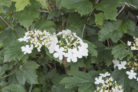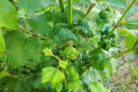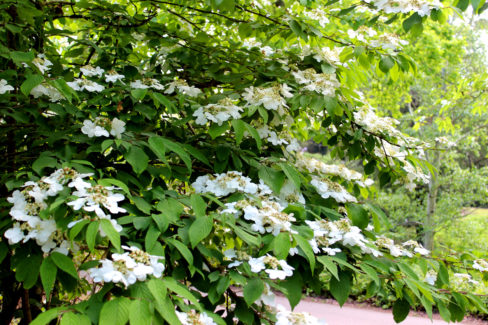
Viburnum is one of those rockstar shrubs that’s both tough and low-maintenance, but it really shines when you nail the location and soil. If you’re looking to add one to your yard, here’s the lowdown on finding that perfect “sweet spot.”
The Ideal Spot for Your Viburnum
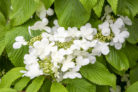
Most Viburnum varieties love soaking up the sun, though they’re pretty chill and can handle partial shade or even full shade. Just keep in mind that if you want those spectacular blooms to really pop, the more sun, the better! However, be careful with intense, non-stop afternoon sun in the peak of summer, as it can occasionally scorch the leaves. On the flip side, if it’s stuck in too much deep shade, the plant might drop its buds instead of flowering.
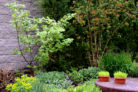
One thing Viburnums aren’t big fans of? Heavy wind. Try to plant yours in a sheltered area—near a fence, a wall, or the side of your house is usually a safe bet.
You don’t have to plant them as standalone specimens, either. They make a fantastic privacy hedge. Planting them along a fence line is a win-win: you get a beautiful decorative screen, and the fence helps block those harsh gusts of wind.
Soil Preferences: What’s Under the Surface?
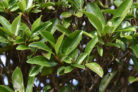
Generally speaking, most Viburnums thrive in moist, well-drained soil. The one outlier is the Wayfaring Tree (Viburnum lantana), which actually prefers things a bit drier and loves soil rich in organic matter.
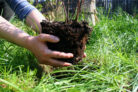
No matter which variety you choose, it’s a good idea to loosen up the soil before planting. This helps the roots spread out easily and ensures water gets where it needs to go. If your garden soil isn’t quite up to par, you can mix in a few things to give it a boost:
- Pea gravel to help distribute water and nutrients
- Compost or humus for a solid nutrient foundation
- Clay (if you have very sandy soil) to help hold onto moisture
Tips for Planting Viburnum in Containers
If you’re planning to grow your Viburnum in a pot, the light and soil requirements stay the same, but size becomes the most important factor. You want to give those roots plenty of room to stretch out. Make sure your container is at least twice as wide as the root ball to ensure healthy growth.