The Common Snowball bush is a real head-turner with those iconic, perfectly round flower clusters. But did you know there are actually over 100 different species out there? That gives you a ton of options for getting creative with your landscaping. Let’s take a look at some of the most popular varieties you’ll find across Europe and right here at home:
- Common Snowball (Viburnum opulus)
- Japanese Snowball (Viburnum plicatum)
- Burkwood Viburnum (Easter Snowball)
- Laurustinus (Viburnum tinus)
- Bodnant Viburnum (Winter Snowball)
Common Snowball
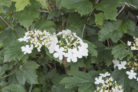
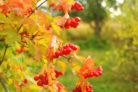
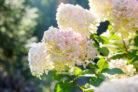
Living up to its name, the Common Snowball looks just like a fluffy white snowball hanging from a branch. Each “ball” is actually made up of dozens of tiny individual flowers. You’ll usually see them in creamy white, though some have a soft pink tint. Once the blooming season wraps up in the summer, the bush starts producing berries. While they’re a vital food source for local birds, humans should only eat them if they are fully ripe and properly cooked.
Japanese Snowball
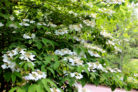
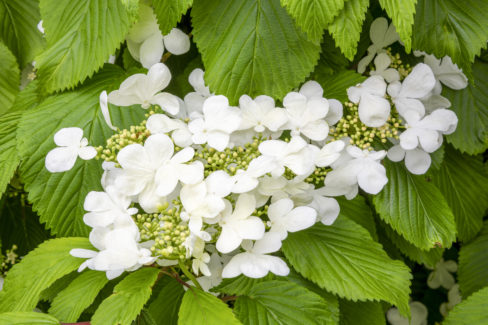
Depending on which variety you plant, the Japanese Snowball shows off either white or pink blooms. These grow in flat, lacecap-like clusters that are basically a magnet for pollinators. The real show starts in the fall, though, when the leaves turn a stunning deep red. Just a heads-up: this variety doesn’t produce much fruit, and the berries it does grow are toxic to humans.
Easter Snowball (Burkwood Viburnum)
The Easter Snowball starts the season with pretty pink buds that open up into those classic, snowy white globes. One of the best things about this variety is that it often has a second “bonus” bloom in the fall, giving you a little reminder of spring right before winter hits. It has a lovely vanilla scent that bees and bumblebees absolutely love. However, keep the berries away from the kitchen—they aren’t edible.
Laurustinus (Viburnum tinus)
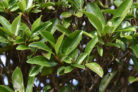
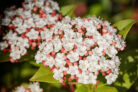
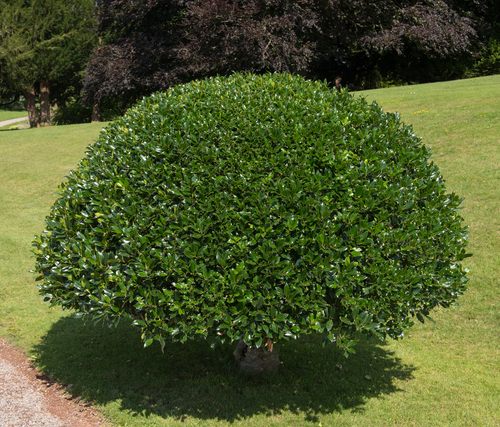
The Laurustinus stands out because of its “cyme” flower structure. Basically, the main flower stem branches out into smaller stems, which then branch out again, creating a beautiful, flat-topped cluster. The colors range from crisp white to delicate pink. Just remember, while they look great in the garden, the berries are definitely not for snacking.
Bodnant Viburnum (Winter Snowball)
If you want to help out your local insects during the colder months, the Bodnant Viburnum is a fantastic choice. It has an incredibly intense fragrance that draws pollinators in even when it’s chilly. Like the Easter variety, it starts with pink buds that open into pinkish-white clusters. It has a more elongated, panicle-style growth habit, but keep in mind that its berries are poisonous to humans.