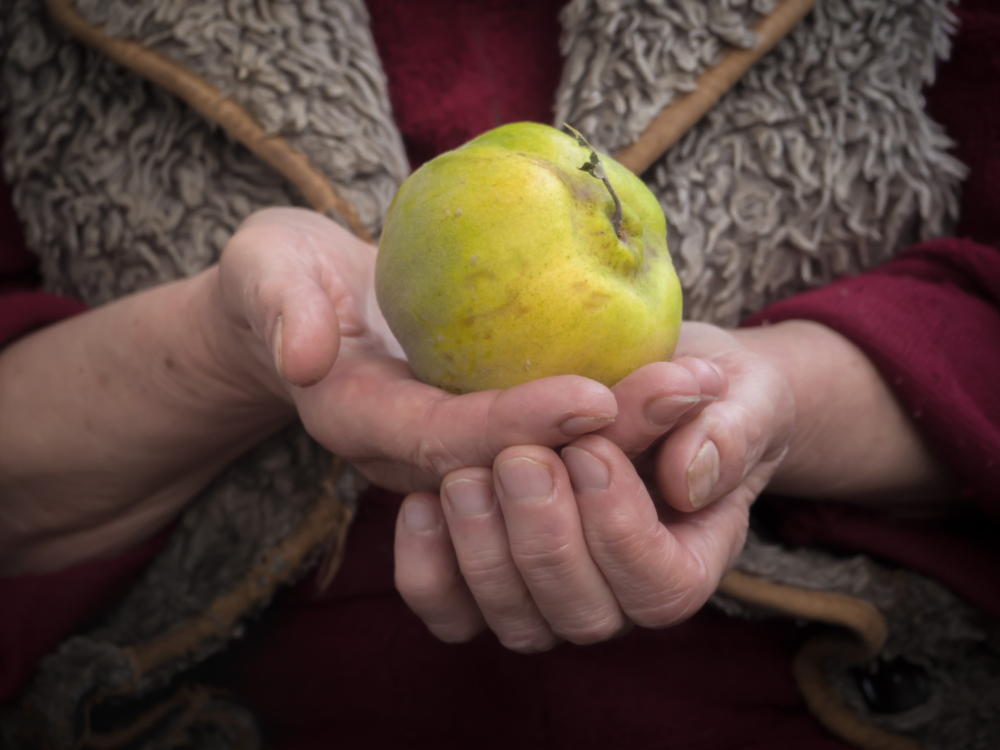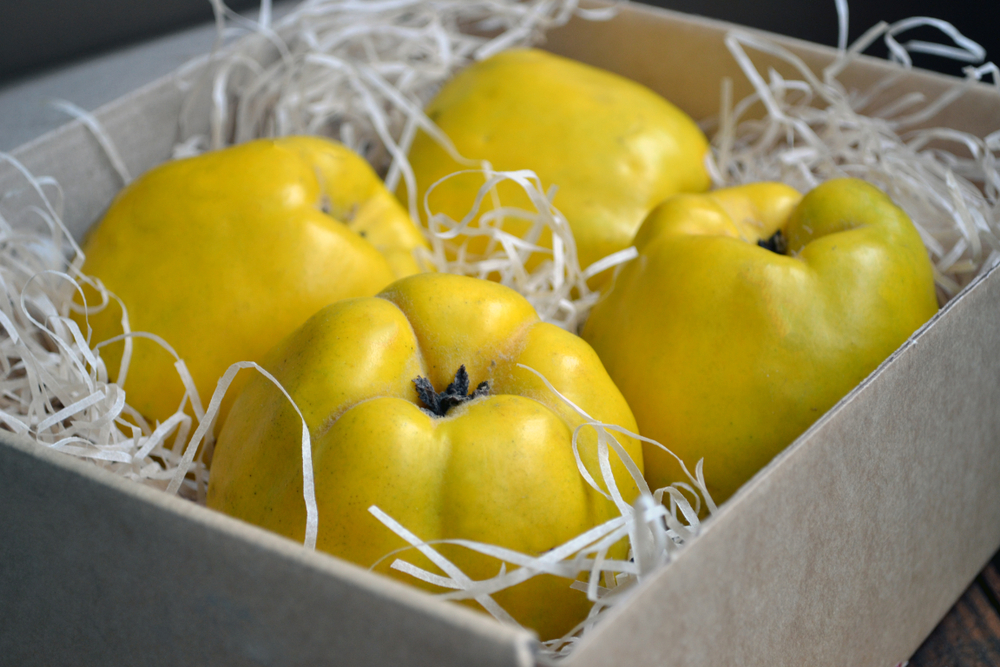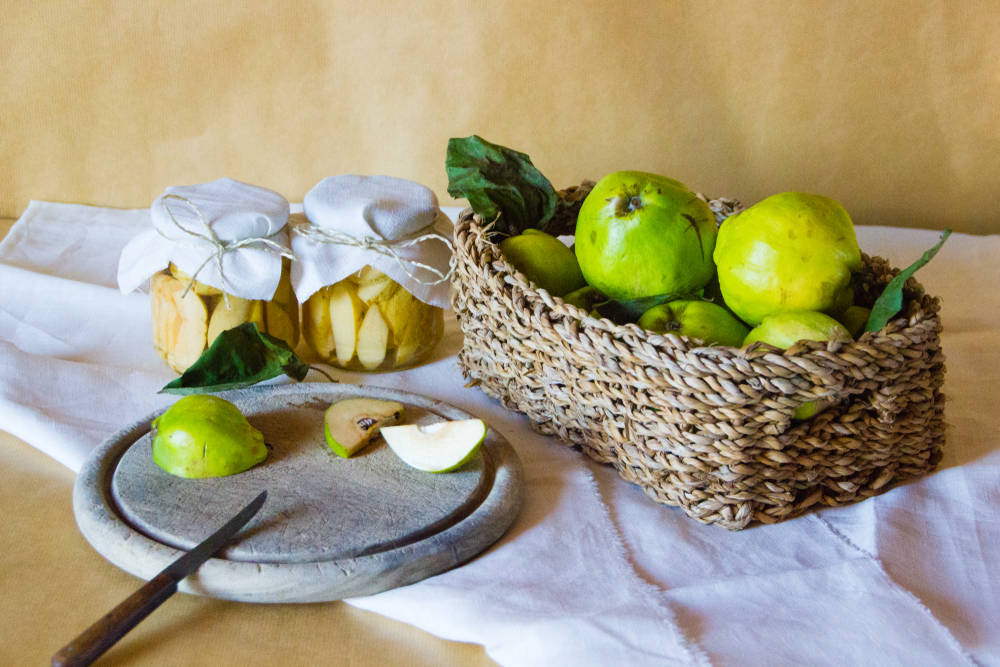
Our grandmothers definitely knew what they were doing when they reached for quinces every fall. These fragrant fruits, which look like a cross between an apple and a pear, have been celebrated for their healing properties for centuries. If you’ve ever wondered why these golden fruits are making a comeback in modern kitchens, here is the lowdown on why quinces are a total health powerhouse.
The Good Stuff Inside a Quince
First off, quinces are loaded with Vitamin C—even more than your average apple! This makes them the ultimate fall and winter fruit. Since cold and flu season kicks into high gear just as quinces ripen, they’re nature’s perfect way to boost your immune system. As a nice little bonus, they’re also lower in calories than apples. You’ll also find plenty of Vitamin A and B-vitamins like folic acid, which is especially important for moms-to-be.
But the benefits don’t stop at vitamins. Quinces are packed with essential minerals, including:
- Potassium
- Sodium
- Iron
- Zinc
- Fluoride
- Copper
Back in ancient times, people used quinces as a natural remedy for everything from nasty coughs to tummy troubles. The potassium alone is great for keeping your blood pressure in check and supporting your heart, nerves, and muscles. Plus, they contain tannins and pectin, which can actually help speed up wound healing.
Yellow Miracle Fruits
Quinces aren’t just a nostalgic kitchen staple; modern science is starting to pay close attention to them too. One of the most exciting things about this fruit is its antioxidant punch. Compounds like pectin and quercetin help your body fight off free radicals, those pesky molecules that can cause long-term damage to your cells.
If you’re watching your cholesterol, quinces might become your new best friend. The high pectin content acts like a natural detoxifier, binding to harmful substances and flushing them out of your system. Even your skin can benefit! Quinces contain mucilage (a soothing, gel-like substance) that works wonders on inflammation or cracked skin. That’s exactly why you’ll often see quince extract popping up in high-end skincare products.
While there are many different quince varieties that look slightly different on the outside, their nutritional profiles are almost identical. To sum it up: quinces are a nutritional goldmine. To get the absolute most out of them, eating them raw is best, as cooking them can cause some of those delicate vitamins to fade. However, a word of caution: most traditional varieties are too hard and bitter to eat raw. Before you take a bite, be sure to check out this guide: Can you eat quinces raw?.