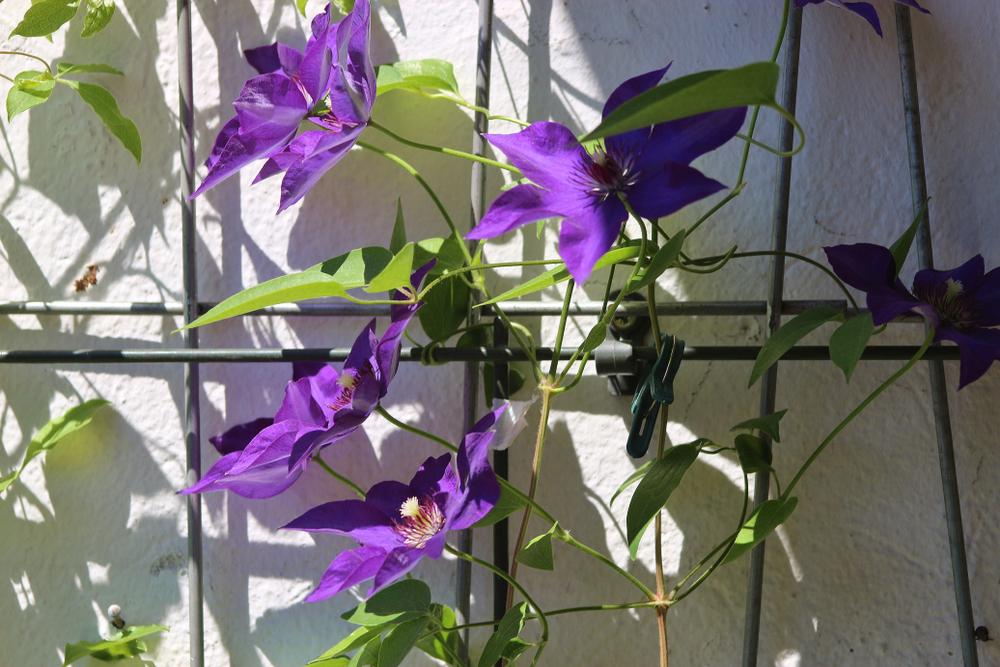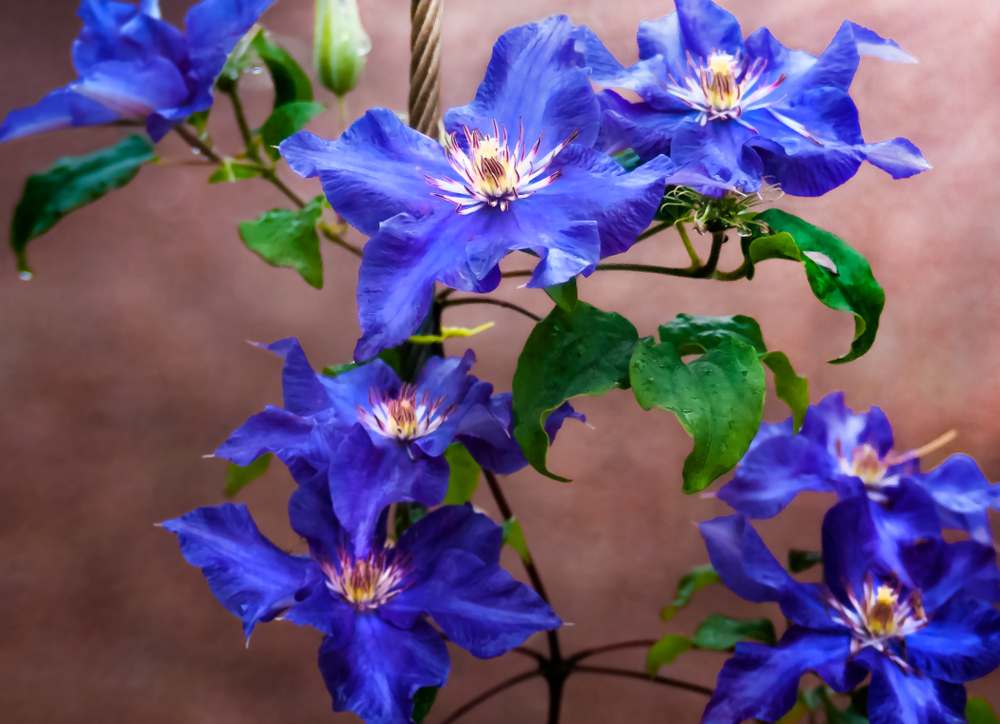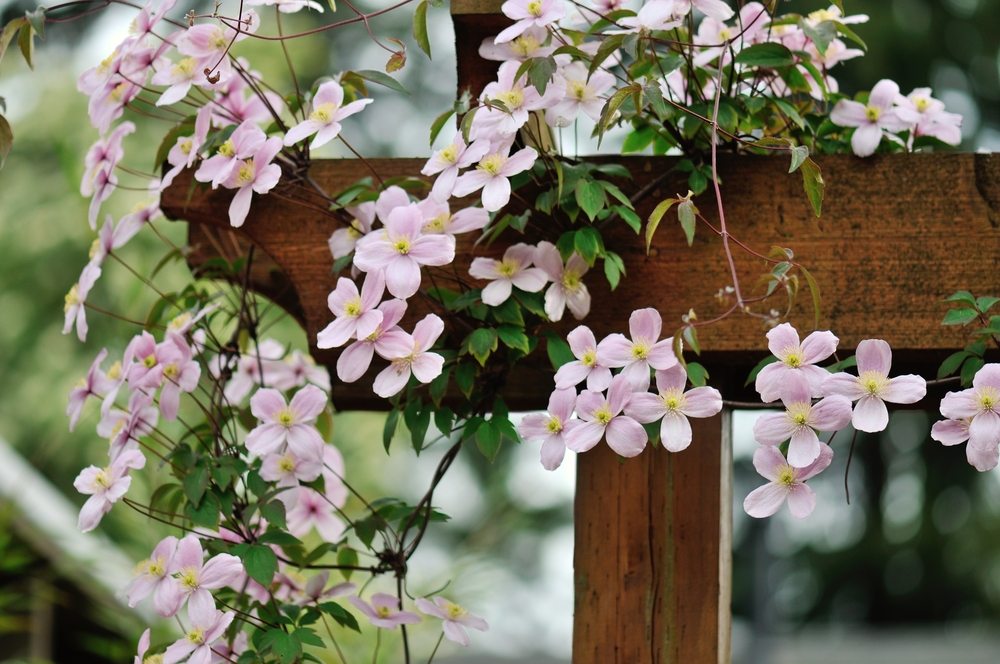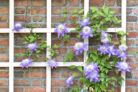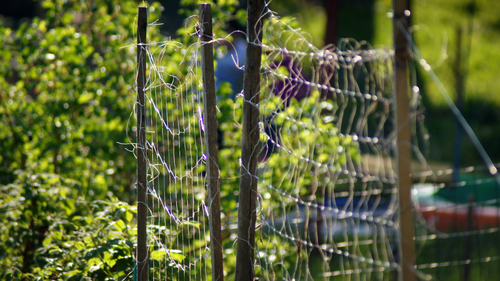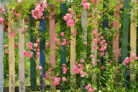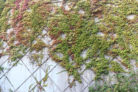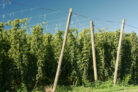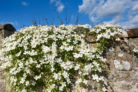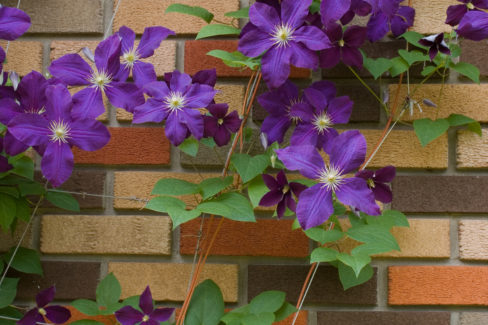
As a classic climbing plant, the Clematis is a natural-born vertical traveler. Unless you’re using it as a groundcover, it’s going to need something to grab onto. In the wild, these beauties usually scramble up trees at the edge of a forest or clearing, but in your backyard, you’ll need to provide the support system yourself. If you’re growing them in pots, a simple trellis works great; along a property line, a fence is perfect. But if you want that gorgeous look of a Clematis scaling your house, you’re going to need a sturdy wall trellis.
Sizing Up Your Trellis
When it comes to mounting a trellis on your home, the first thing you’ll probably wonder is: “How big does this thing need to be?” The answer really depends on which variety you’ve picked out. For smaller, slower-growing hybrids, a trellis about 6 feet wide and 10 feet high is usually plenty. However, if you’re planting one of the more vigorous, high-climbing species, you’ll definitely want to go bigger to give those vines room to roam.
Give Your Plants Some Breathing Room
One pro tip for mounting your trellis: don’t pin it flush against the wall. You want to leave about 3 to 4 inches of space between the trellis and the siding. This gap allows air to circulate all around the plant, which is crucial for keeping it healthy. If the vines are pressed too tightly against the wall, moisture gets trapped, and you’re much more likely to deal with diseases like clematis wilt or mildew.
Choosing the Right Material
Picking the right material is just as important as the size. If you’re mounting it on a house wall, you don’t necessarily need a rigid wooden frame—a stainless steel cable system can look sleek and modern. The “mesh” size of your support should match your plant’s personality: medium-sized growers love a tighter grid, while robust types (like the Italian Clematis) are perfectly happy with larger gaps. If you do go with a traditional trellis, I usually recommend wood over metal. Metal can get extremely cold in the winter, and that intense chill can actually cause frost damage to the vines where they touch the bars.