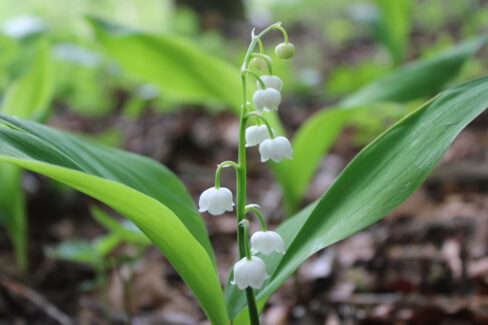
First things first: if you spot Lily of the Valley growing wild in the woods, leave it right where it is! In many areas, these beauties are protected, and digging them up could land you with a hefty fine. However, if you have some growing in your own yard or a friend is thinning out their patch, you’re good to go. You can easily dig up the rhizomes (those horizontal underground stems) to give them a new home.
One Tough Perennial
The great news is that Lily of the Valley is incredibly resilient. Moving them to a new spot usually doesn’t bother them one bit. In fact, even a tiny piece of a rhizome is often enough for the plant to take root in a new location. On the flip side, this means they can be a real challenge to get rid of once they’ve settled in!
Spring or Fall is Best
The ideal times to transplant your Lily of the Valley are in the spring or fall. During these seasons, the plant has the best chance of quickly establishing a strong new root system. Summer can be a bit tricky because the soil often gets too dry for the young transplants to thrive. If you absolutely have to move them in the heat of summer, just make sure you’re extra diligent about watering. The goal is to keep the soil consistently moist, but never soggy.
How to Get the Job Done
You don’t need any fancy equipment for this project. Simply dig up the rhizome, break it into smaller sections if you want to spread them out, and tuck them into their new home. For the happiest plants, look for a spot with these features:
- Full shade or partial shade.
- Well-draining soil that’s rich in organic matter.
- A soil pH that is anywhere from slightly acidic to alkaline.
Even in the cooler spring and fall months, regular watering is key during that initial “settling in” phase. I also recommend mixing some mature compost into the soil to give them a little boost. You don’t need to overdo the fertilizer, though—a fresh layer of compost every two years is usually plenty to keep them blooming beautifully.