Because oleanders grow so vigorously—both above and below the soil—repotting them regularly is the secret to keeping them happy and healthy. If you want your plant to keep thriving, you’ve got to give those roots some breathing room! Here is everything you need to know about repotting your oleander like a pro.
How often should you repot an oleander?
The “when” and “how often” really depends on how old your plant is. Young oleanders are busy building their root systems, which branch out and grow fast every year. Because of that, they need a move to a bigger home more frequently. Older, established plants are a bit more settled and don’t need to be moved nearly as often.
Here’s a good rule of thumb to follow:
- Young oleanders should be repotted into a larger container every year.
- Older specimens are usually fine staying put for about five years between repottings.
The best time to repot
Spring is generally the best time of year to give your oleander a new pot. Ideally, you can knock out two chores at once by combining your post-winter pruning with the repotting process. That said, oleanders are pretty hardy; you can technically repot them any time of year, including in the fall or winter right before you bring them in for the cold season.
Choosing the right pot
When it’s time for an upgrade, always pick a pot that is slightly larger than the current one. You want a container that is roughly twice the size of the root ball so the roots have plenty of space to stretch out. Aim for a new pot that is about 20% larger than the old one.
Make sure the new pot has large drainage holes at the bottom so excess water can escape. It’s also a great idea to use a saucer or tray under the pot. This allows water to collect so the thirsty roots can soak it up whenever they need a drink.
The best soil for oleanders
You have a few options when it comes to soil, but here’s a pro tip: avoid using pure, store-bought potting soil. Oleanders aren’t big fans of soil that is too rich in humus. Instead, try mixing standard potting soil with loamy garden soil at a 1:1 ratio. You can also buy specialized substrates designed for Mediterranean container plants.
If you’re feeling like a DIY scientist, you can mix your own perfect blend: use 5 parts container plant soil, 1 part loam (or loam powder), and 1 part garden lime.
Repotting step-by-step
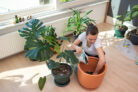
Repotting isn’t rocket science, but following a consistent routine helps keep the plant stress-free. Here’s how to do it:
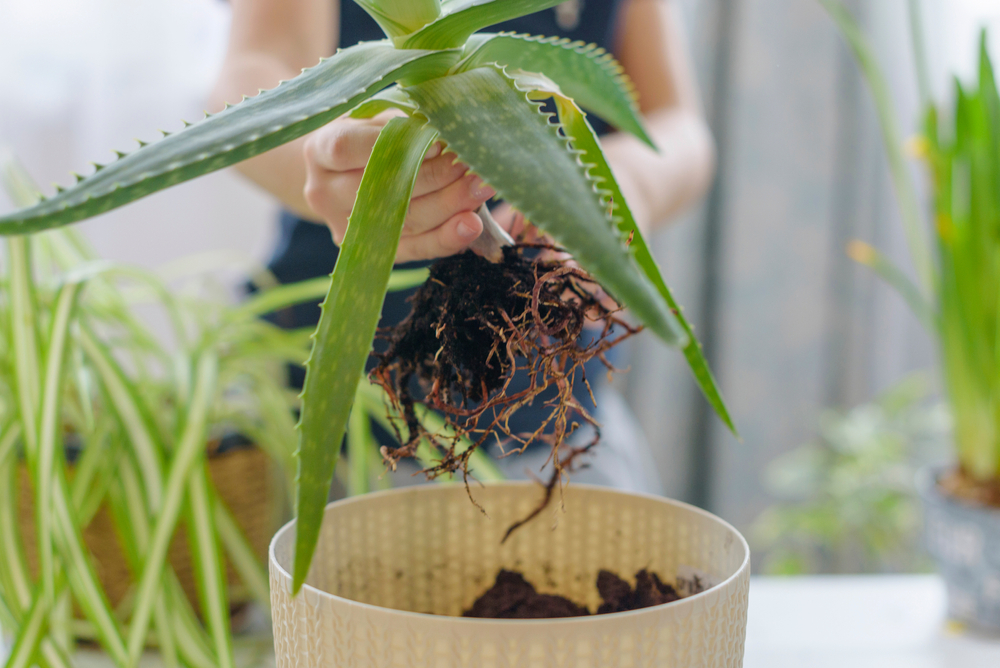
- First, carefully remove the oleander from its current pot. If the roots are stuck to the sides, take a kitchen knife and gently run it between the edge of the pot and the root ball to loosen things up. Just be careful not to hack away at the roots!
- Gently loosen the root ball with your hands and shake off any old, depleted soil.
- Use a sharp knife to trim away any old or rotting roots. If the root ball is still massive, you can prune back some of the healthy roots too.
- If you do a heavy root pruning, make sure to prune back the top of the plant as well. This keeps things balanced so the smaller root system doesn’t struggle to support too much foliage.
- Add some of your soil mix to the new pot and toss in a bit of slow-release fertilizer.
- Place your oleander in the center and fill the gaps with the rest of your soil. Press it down lightly to remove air pockets and give it a very thorough watering.
Handling large, older oleanders
Big, old oleanders can be a real workout because of their massive root systems. If your plant doesn’t strictly *need* a bigger pot but the soil looks tired, you can do a “top-dressing” instead. Just remove as much of the old topsoil as possible and replace it with fresh substrate without taking the whole plant out.
If a full repot is necessary, definitely grab a friend to help! Tie the branches together gently with twine or rope to make the plant more manageable. Lay the pot on its side—it’s much easier to slide a heavy oleander out horizontally than it is to lift it straight up.
Post-repotting care
Once your oleander is settled in its new home, keep it well-watered and make sure it has the nutrients it needs. Mixing a slow-release fertilizer into the soil is the easiest way, but you can also use a liquid fertilizer in your watering can on a regular basis.
Don’t forget that regular pruning will help your oleander stay bushy and full, encouraging plenty of fresh new growth and beautiful blooms!