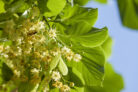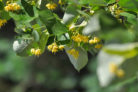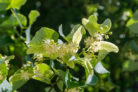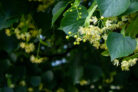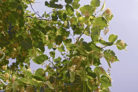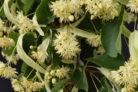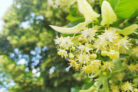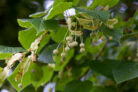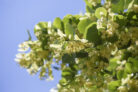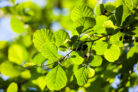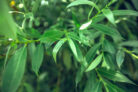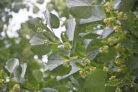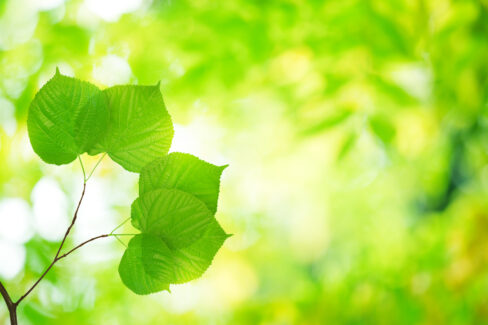
Linden leaves have a long history—they even show up in old legends like the *Nibelungenlied*. But you don’t need to be a dragon slayer to appreciate these beautiful trees! Beyond the myths, Linden leaves are actually pretty fascinating for any gardener or nature lover.
A Variety of Shapes and Sizes
There are about 40 different species of Linden trees (also known as Basswood or Lime trees) out there, and they can look quite different from one another. Fully grown, they can range anywhere from 50 to over 130 feet tall. Their leaves vary just as much, specifically when it comes to:
- Size
- Color
- Texture
- Shape
The Classic Heart Shape
The most iconic thing about a Linden leaf is its heart shape. With that wide, rounded base near the stem and that perfectly pointed tip, it’s no wonder these leaves have been symbols of love in so many cultures throughout history.
Size Matters
The biggest difference you’ll notice between species is the size of the foliage. In Europe, the “Summer” (Large-leaved) and “Winter” (Small-leaved) Lindens are the most common. Summer Linden leaves usually grow to about 5 inches long, while Winter Linden leaves are much daintier, often staying around 2 inches. On the other end of the spectrum, our native American Linden (Basswood) can produce massive leaves up to 8 inches long!
A Spectrum of Green
When it comes to color, Lindens mostly stick to the green family, but there are some cool variations. The Silver Linden, for example, has a gorgeous silvery-white underside. You’ll also notice that American and Summer Lindens have a much deeper, darker green hue compared to the lighter shades of the Silver or Crimean varieties.
Subtle Shape Differences
While they all share that basic heart shape, some are a bit more elongated while others are almost perfectly round. The edges (or “margins”) of the leaves also tell a story. Most have fine, saw-like teeth along the edge, but Henry’s Linden takes it to the next level with very pronounced, sharp-looking serrations.
Feel the Texture
If you get up close and personal with the leaves, you’ll notice different textures, too. Both the Summer and Winter Lindens have tiny, fine hairs on them. A pro tip for telling them apart? The hairs on the Winter Linden are usually brownish, while the Summer Linden sports white fuzz.
Keeping an Eye on Health
Your Linden’s leaves are like a health monitor for the tree. They’re usually the first place you’ll spot diseases or pest problems. For instance, if you see weird, tiny red “horns” or galls sticking up on the surface of the leaf, you’re likely looking at a Linden Gall Mite infestation.