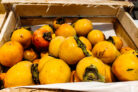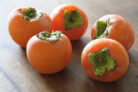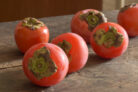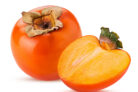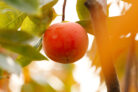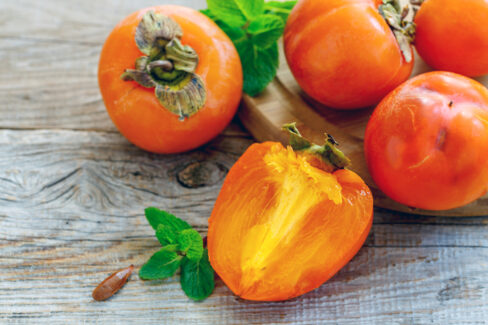
Depending on the variety, a perfectly ripe persimmon glows with a deep orange hue and feels soft to the touch. If you try to eat one too early, you’ll likely encounter bitter tannins that leave your mouth feeling a bit fuzzy. Don’t worry, though—those tannins disappear as the fruit ripens! These fruits are roughly the size of a beefsteak tomato, ranging from round to slightly flattened, and they pack a wonderfully sweet flavor along with a healthy dose of vitamins.
Finding Persimmons at the Store
You can find persimmons in the produce section of most grocery stores almost year-round. They’re usually sold individually or in small packs.
The most common varieties you’ll run into are:
- Sharon Fruit
- Persimmon
- Kaki
How to Tell When a Persimmon is Ripe
Persimmons come in different shapes and colors depending on where they’re grown, though most varieties are imported from Asia.
Here’s what to look for in a ripe fruit:
- The flesh should be soft and almost jelly-like.
- The skin should have a slightly translucent, glossy shimmer.
- The fruit should give slightly when you press it gently.
On the flip side, unripe persimmons are hard and high in tannins, which creates that unpleasant “furry” feeling on your tongue. As the fruit ripens, those compounds naturally break down.
How to Ripen Persimmons at Home
If you’ve picked up some firm fruit, you can easily help them ripen up right on your counter:
- Place your persimmons in a fruit bowl.
- Make sure not to overcrowd them! They need plenty of airflow, so avoid stacking them on top of each other.
- Let them sit at room temperature for about two weeks.
Just keep in mind that because of the early harvest for shipping, they might not be quite as sweet as tree-ripened fruit.
Storing Ripe Fruit
Once your persimmons are fully ripe, it’s best to keep them in the refrigerator. This can stretch their short shelf life by about another week.
Can You Freeze Persimmons?
Yes, you can! Freezing persimmons is super simple. Just pop individual fruits into freezer bags and tuck them away in the freezer for later.
What About Brown Spots?
Fully ripe persimmons have about 70 calories per 100 grams, making them a pretty nutritious snack.
Because they are so high in natural fruit sugars, you might notice some brown spots on very ripe fruit. Don’t toss them out—these aren’t signs of rot! They’re actually just a sign that the fruit is incredibly sweet and ready to eat.
Pro Tips
If you’re impatient, look for Sharon fruit or Persimon (Rojo Brillante) varieties. These specific cultivars contain almost no tannins, meaning you can eat them while they’re still firm, and they happen to stay fresh for a long time!