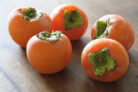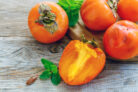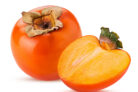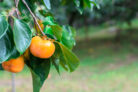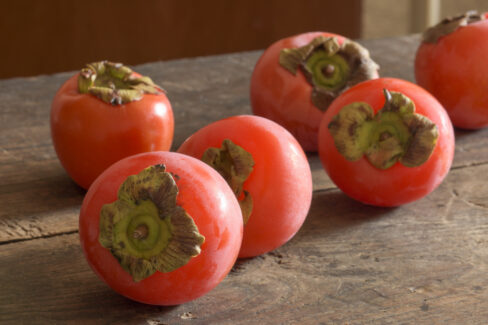
The exotic persimmon is a real treat, mostly thanks to its high sugar content that makes it incredibly sweet. As the fruit ripens, that natural sugar can actually cause little brownish spots to develop in the flesh. Don’t let those scare you off, though—they’re totally safe to eat! That said, once a persimmon is fully ripe, you’ll want to enjoy it quickly or tuck it into the fridge. If you have too many to handle, you can always freeze them whole or whip them into a puree for later.
Those Brown Spots on Your Persimmon
Persimmons have a wonderful, fresh flavor that reminds me of a mix between a pear and a cantaloupe. A fully ripe fruit clocks in at about 70 calories per 100 grams, which is actually quite nutritious for a fruit.
When they get super ripe, the high fructose levels can cause those brown patches I mentioned. It’s not rot; it’s just a sign that the fruit is at its peak and needs to be eaten ASAP. If you wait too long, it’ll get mushy and become a bit of a mess to peel.
How to Pick the Best Fruit
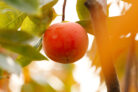
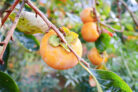
To get that delicious, honey-sweet flavor, you really need to make sure you’re eating ripe persimmons. Look for skin that is a vibrant, deep orange. It should look almost translucent, and depending on the variety, it might have a nice glossy sheen.
You’ll usually find persimmons in grocery stores from October through April.
The most common varieties you’ll run into are:
- The Hachiya (Diospyros kaki).
- The Sharon fruit. This is a really flavorful variety originally bred in Israel.
- The Fuyu (Persimmon). These are great because you can actually eat them while they’re still firm, even before they are “jelly-soft.”
When you’re shopping, keep an eye out for any skin damage or bruising. Firm persimmons are easier to carry home and last longer, but keep in mind that some varieties will taste unpleasantly “fuzzy” or astringent if they aren’t fully soft yet.
If you buy them firm, just store them at room temperature to let them ripen up. Once they’re ready, they’ll stay good in the fridge for about two weeks.
Spotting a “Bad” Fruit
A “bad” persimmon doesn’t always mean it’s rotten; usually, it’s just overripe and mushy. On the flip side, an underripe persimmon can be a literal mouth-puckering experience! The tannins in unripe fruit create a very bitter, furry sensation on your tongue.
If the skin has a few small bruises or damaged spots, don’t toss it! Just slice the fruit in half and scoop out the good parts with a spoon.
A Few Extra Tips
Ripe persimmons make amazing jams or fruit sauces. Just use a sharp knife to peel the skin, pop off the green leafy top, and you’re ready to get cooking!