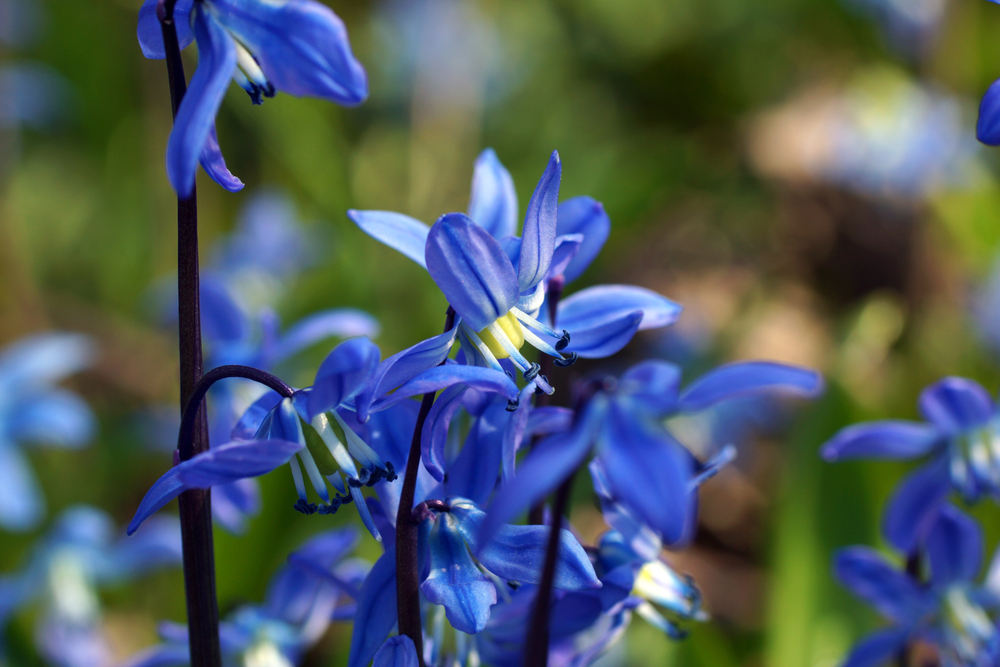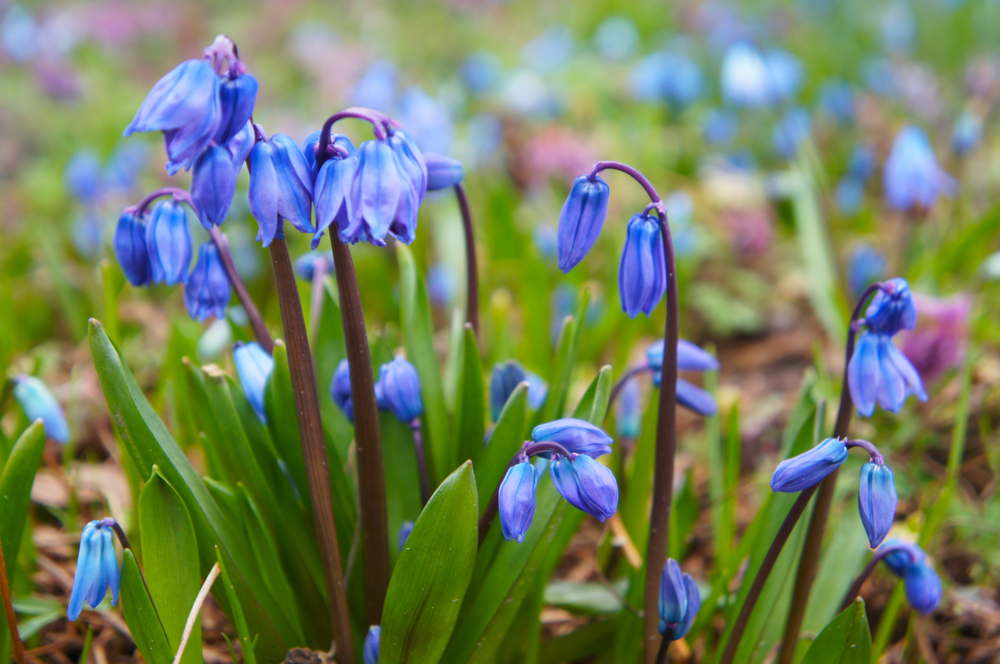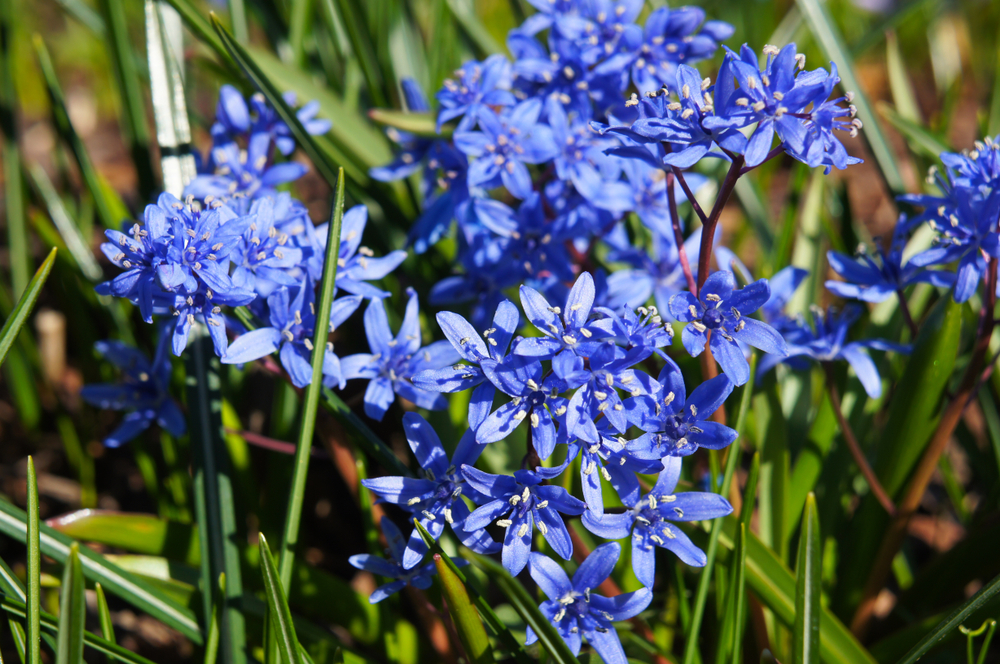
The Siberian Squill, or *Scilla*, is one of those garden gems that brings a much-needed pop of color to your yard as early as March. Its star-shaped blue blossoms are a total showstopper and usually keep the party going well into April. Just a heads-up, though: as pretty as it is, the Squill is actually a toxic plant.
Some varieties like to sleep in
While most Squill varieties show off their colors between March and April, there are a few rebels in the family. For instance, *Scilla peruviana* can bloom during the winter months. On the flip side, the Autumn Squill doesn’t even start its show until August, often lasting through October. If you’re clever with how you mix and match different species, you can basically have these blue beauties blooming in your garden almost all year long!
It’s all about location
How vibrant and long-lasting those blooms are depends a lot on the environment. The good news? These plants aren’t high-maintenance divas. They’re actually pretty easygoing. The main thing they need is soil that stays consistently moist. Just make sure it drains well, because “wet feet” (standing water) will rot the bulbs pretty quickly. If your soil is already rich in nutrients, you can skip the fertilizer altogether. The real secret sauce is the sunlight—Squill tends to look its absolute best when tucked away in a semi-shaded spot.
A quick safety warning
The gorgeous flowers and low-maintenance vibe make Squill a tempting choice for any gardener, especially since many varieties are native to Europe. However, keep in mind that *Scilla* is a poisonous plant. It can be dangerous for both humans and curious pets. If you have little ones or furry friends running around, you might want to think twice before planting it. If ingested, it can cause some nasty health issues, including:
- Irregular heartbeat
- Nausea
- Diarrhea
- Burning sensations in the mouth and throat