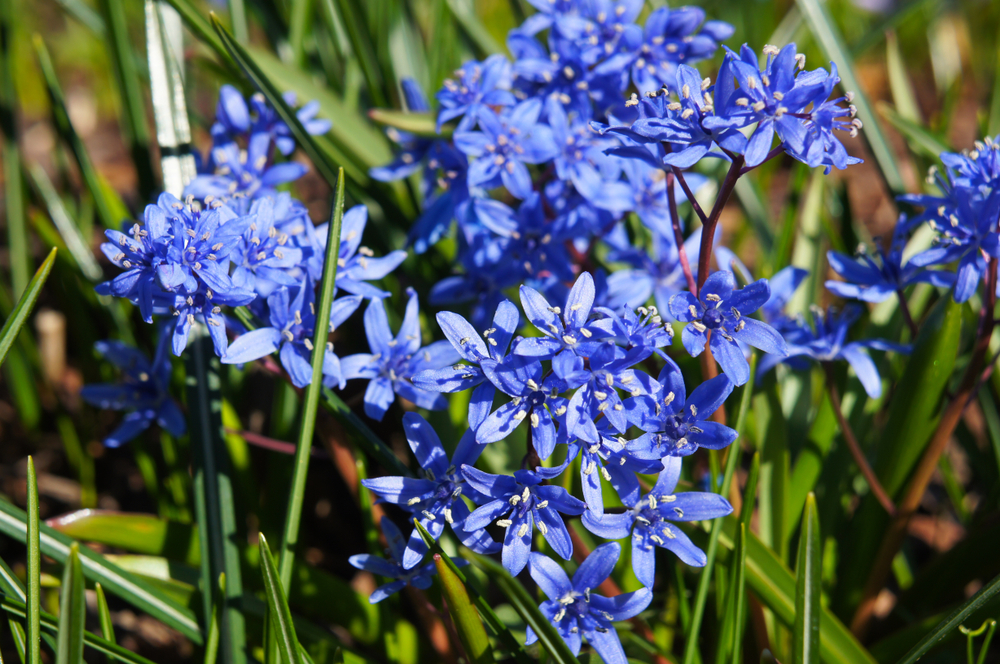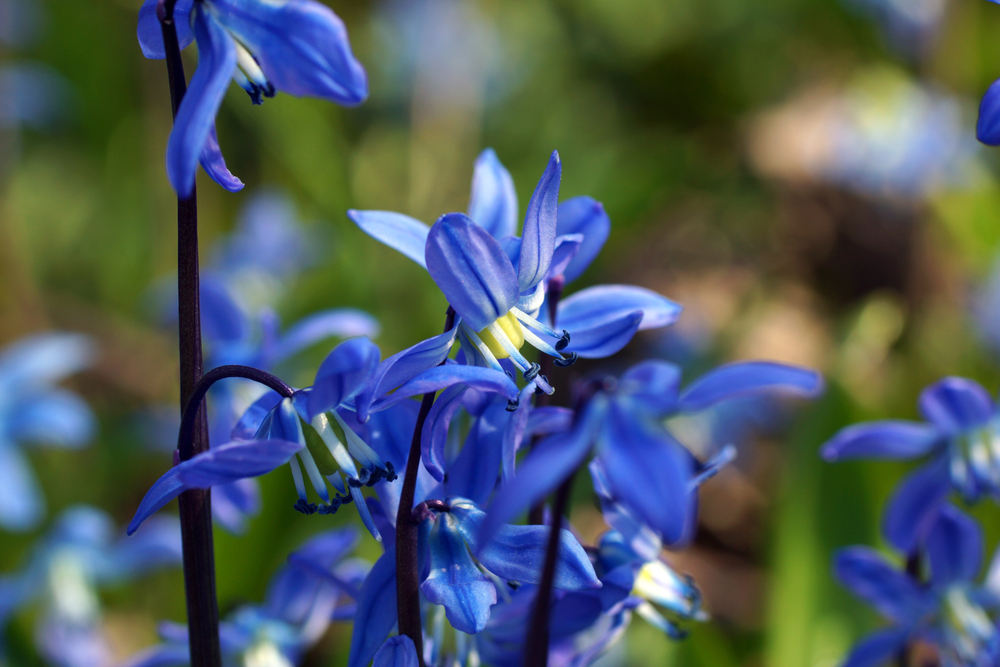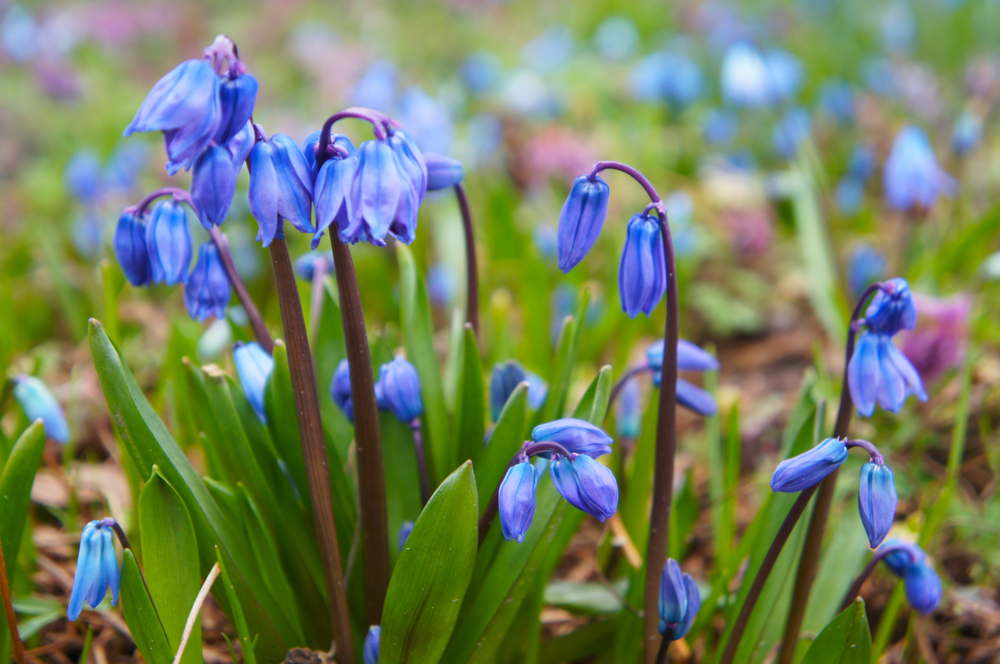
Meet the Siberian Squill (or *Scilla*), a charming perennial that comes in about 90 different species worldwide. Originally hailing from Central and Southern Europe, these little beauties are actually part of the asparagus family (*Asparagaceae*). While there are plenty of varieties out there, the Alpine Squill is a particular favorite for home gardens.
Key Features
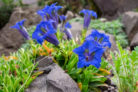
If you’re looking for something subtle, the Scilla is a perfect fit. Most varieties stay pretty low to the ground, though some ambitious types can reach up to 20 inches tall. The real magic happens during the blooming season between March and April. That’s when the plant shows off its signature, vibrant blue flowers that really make a spring garden pop.
The Perfect Spot
In the wild, you’ll usually find these plants hanging out in floodplains, deciduous forests, and damp meadows, or tucked away near shrubs. In your own backyard, they’re happiest in sunny to partially shaded spots. They love nutrient-rich, well-draining soil—and if your soil is a bit alkaline (high in lime), they’ll love you for it! Just make sure the ground stays consistently moist.
Care Tips
One of the best things about the Siberian Squill is how low-maintenance it is. Your main job is to keep the soil moist, but be careful not to overwater. These bulbs hate “wet feet” (standing water), which can cause them to rot. If your soil is a bit thin on nutrients, you can give them a boost with some mature compost, but otherwise, they don’t need much feeding.
You don’t really need to prune them, either. Just a quick tip: wait until the leaves have turned yellow and withered before you remove them. Since they are hardy perennials, they’ll survive the winter just fine, but it’s a good idea to give them a cozy “blanket” in late autumn. You can use:
- Dried leaves
- Bark mulch
- Brushwood or twigs
A Quick Heads-Up: Toxicity
As much as we love them, keep in mind that the Siberian Squill is poisonous in all its parts. If you have curious toddlers or pets who like to nibble on the garden, you might want to plant these in a spot that’s out of reach or consider a different flower altogether.