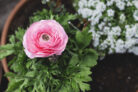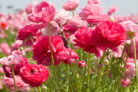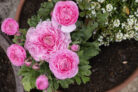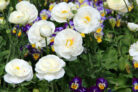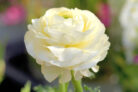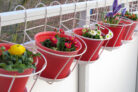
Ranunculus are some of the most stunning early bloomers out there. With their vibrant colors, they’re like nature’s way of announcing that spring has finally arrived in your garden or on your balcony. Plus, they make incredible cut flowers—if you treat them right, they’ll brighten up a vase for days on end.
The Blooming Season
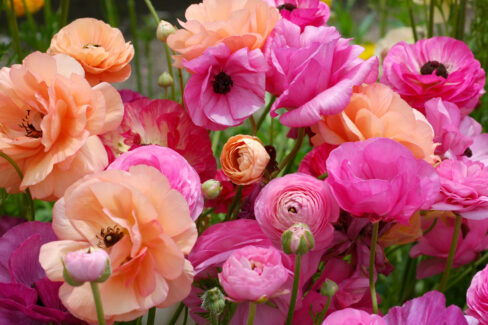
When you plant ranunculus directly in your garden beds, they usually wait until the last of the frost has passed before showing off. Around May, they start opening up those gorgeous, rose-like flower balls (which can be single or double-petaled). For a good month or two, they’ll spoil you with a spectacular light show. Some of the most popular colors you’ll find include:
- Red
- White
- Yellow
- Orange
- Purple
- All sorts of mixed shades
- Bi-colored varieties
You can also grow ranunculus as houseplants! In a cozy, warm room, they’ll often start blooming as early as March or April. And if you see them in flower shops even earlier—like January or February—those are usually greenhouse-grown beauties (often from places like Holland) specifically raised for the floral trade.
How to Keep the Blooms Coming
After a few days, you might notice some flowers starting to fade. This is your cue to do some deadheading. Snip those wilted stems off deep down at the base. This stops the plant from wasting energy on making seeds and instead encourages it to push out new buds and grow a bit bushier. It’s the best trick for stretching out the flowering season! Here are a few more pro-tips to keep them happy longer:
- Give them a snack: Use a standard liquid fertilizer every two weeks.
- Stay hydrated: Make sure they get enough water, but don’t drown them.
- Drainage is key: They hate “wet feet,” so make sure your soil drains well to avoid root rot.
- Keep it cool: If they’re in pots indoors, find a cool spot away from direct, scorching sun.
- Find some shade: In the garden, a semi-shaded to shady spot is best. Too much direct sun will make those delicate petals wilt way faster.
- Post-bloom care: Once the flowering is totally done, clean up the plant to get it ready for its winter nap.
Getting Ready for Winter
Once the blooming season is officially over, it’s time to dial back the watering significantly. Your ranunculus won’t need any more fertilizer at this point, either. Go ahead and cut back all the withered, dry foliage. The plant is basically retreating into its underground tuber to recharge its batteries for next year. Before the ground freezes, you’ll want to dig those tubers up and store them in a cool, dry, frost-free place for the winter.